
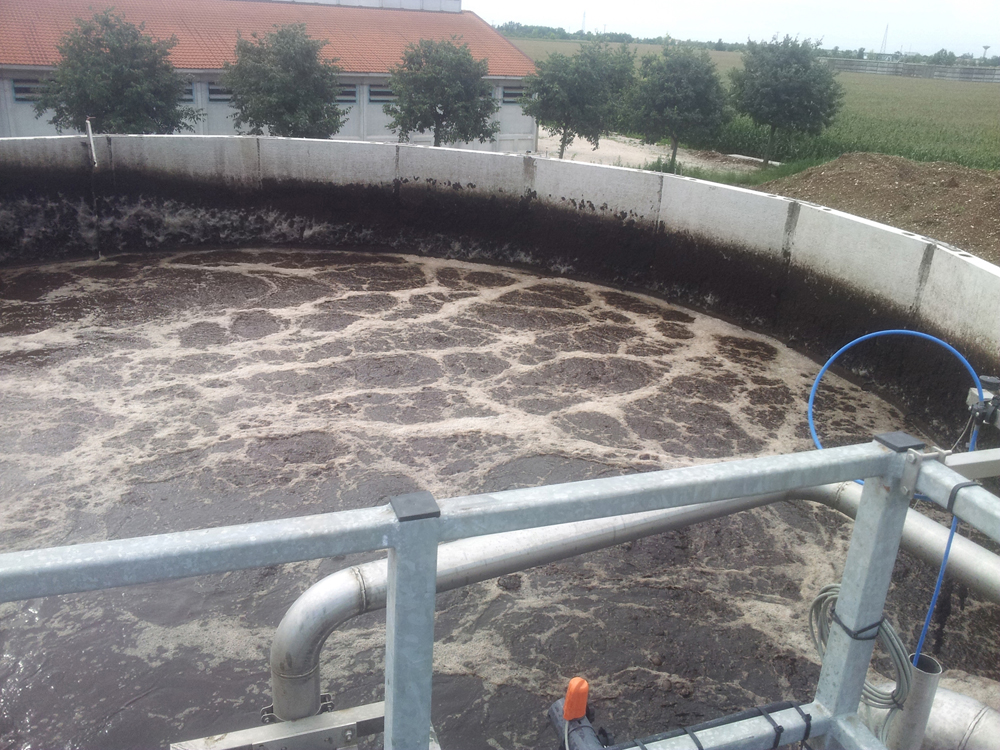
Nitro-Denitro System
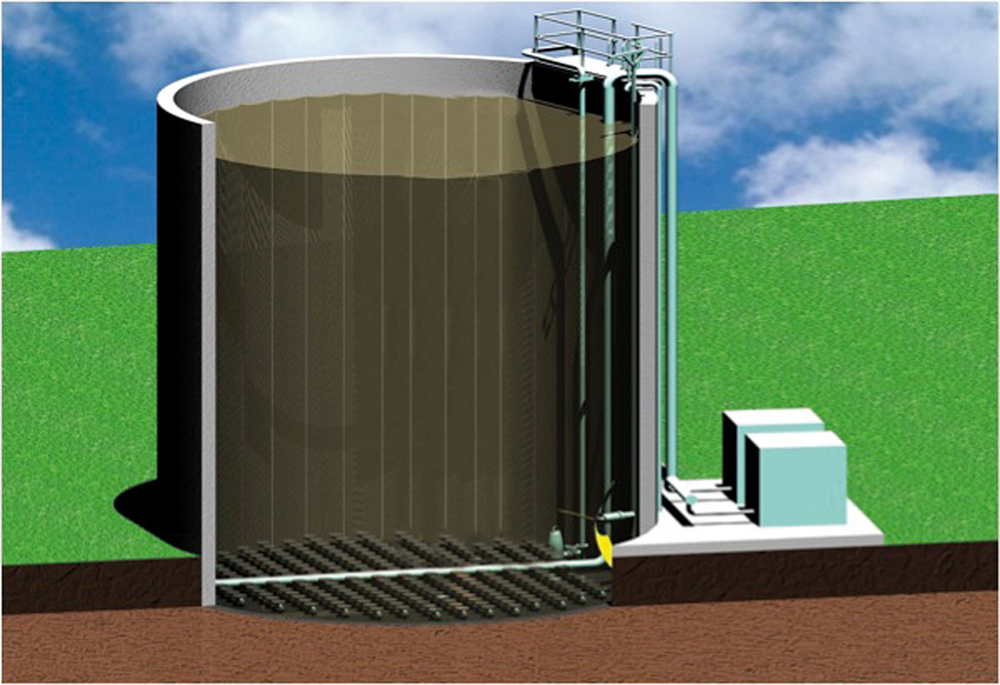
Nitro-Denitro biological plant for ammoniacal nitrogen reduction in livestock wastewater — a fully biological process, with no chemical additives and no excess sludge production.
Three plant configurations (single-tank on-off, concentric continuous, parallel double-tank) sized to the daily effluent volume. Total nitrogen reduction between 65% and 75%.
Nitrogen Reduction — Nitro-Denitro System
Plant Types and Characteristics
The Nitro-Denitro system is capable of treating both raw and clarified farm slurry (from pigs, cattle, etc.) as well as the liquid fraction obtained from the solid separation of biogas digestate.
The process is exclusively biological — it uses no chemical additives and produces no excess sludge. The slurry exits the reactor at the same concentration as it entered.
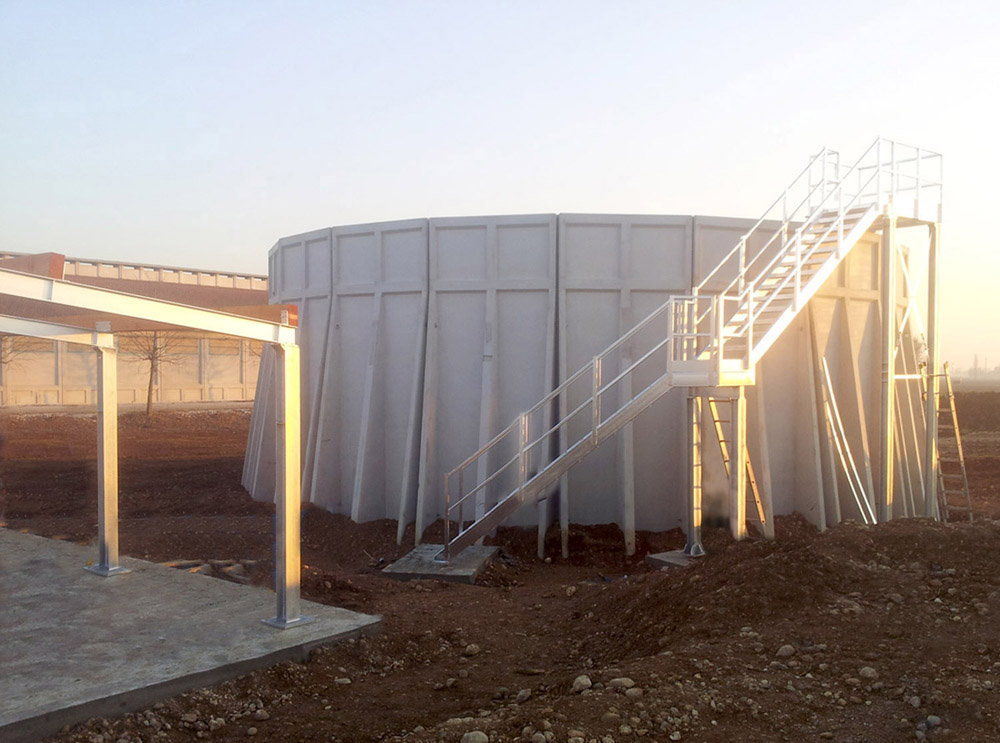
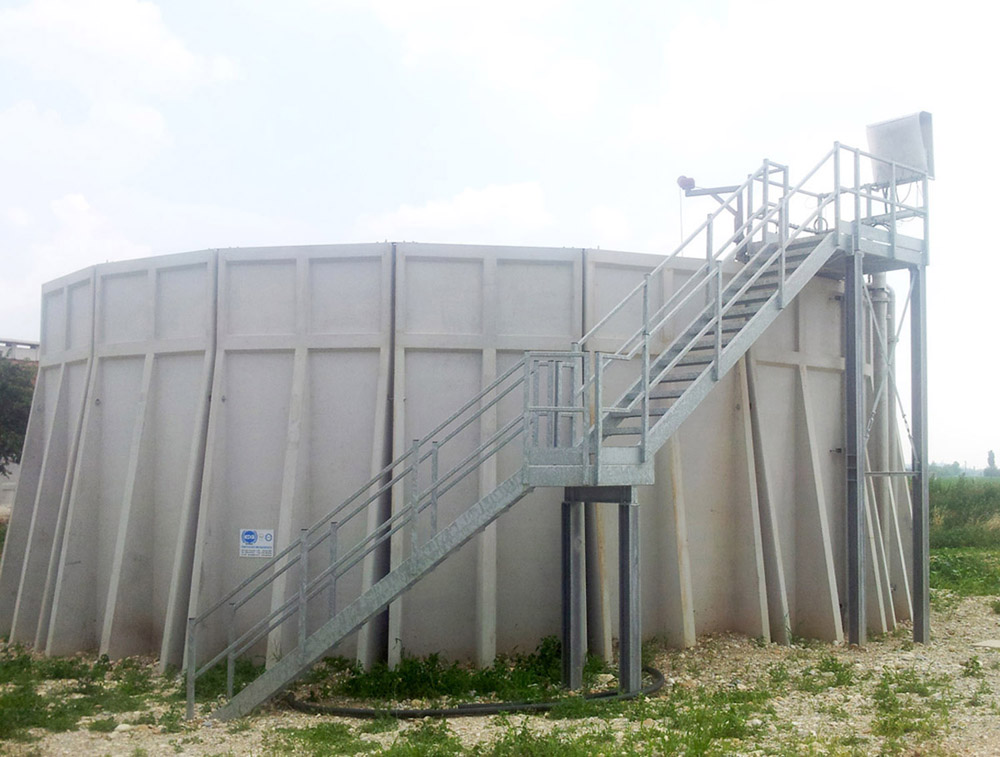
Gong offers three different plant configurations to meet the requirements of each client and their daily effluent production:
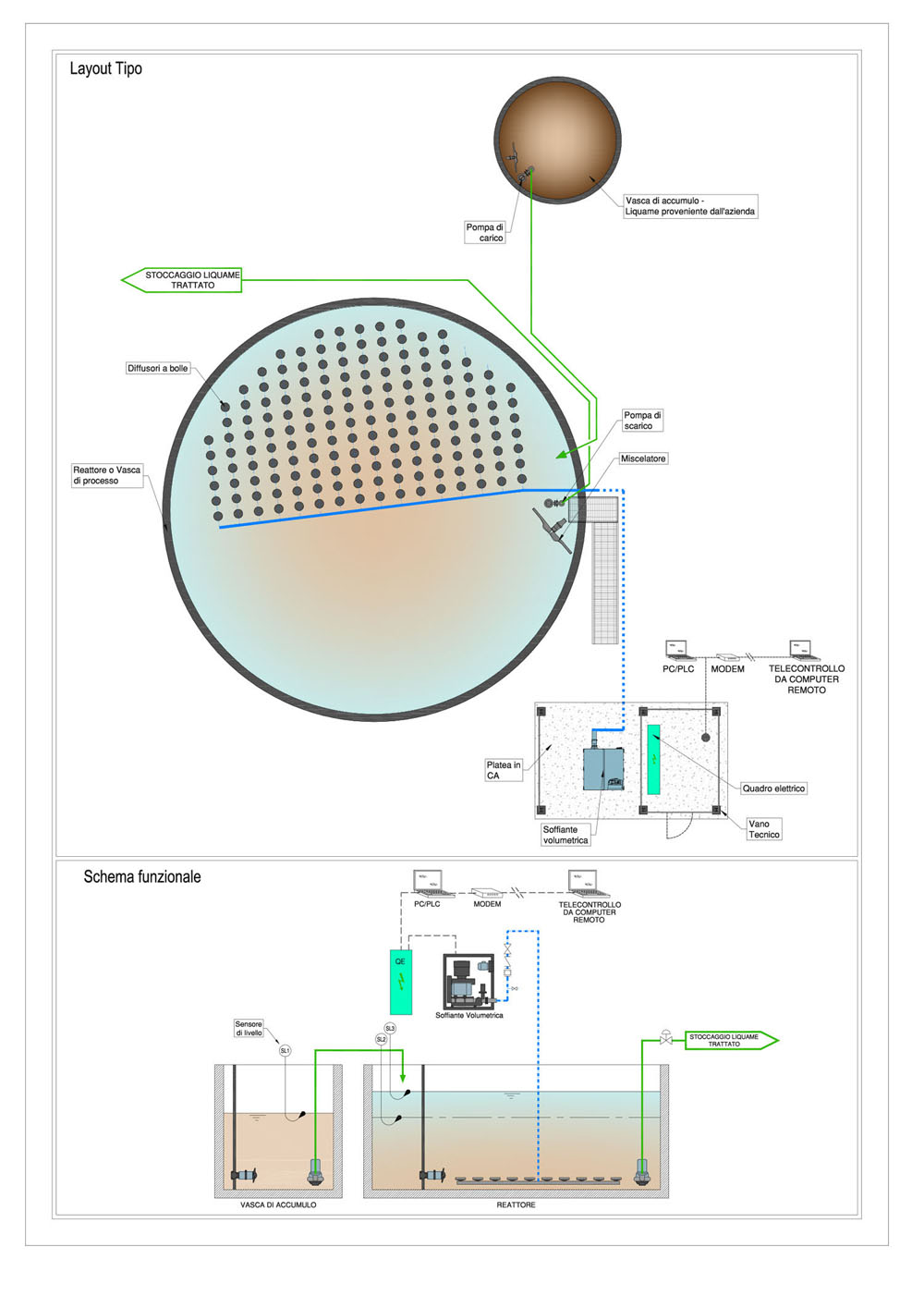
Single tank — on/off cycle
Ideal for effluent volumes up to 80 m³/day.
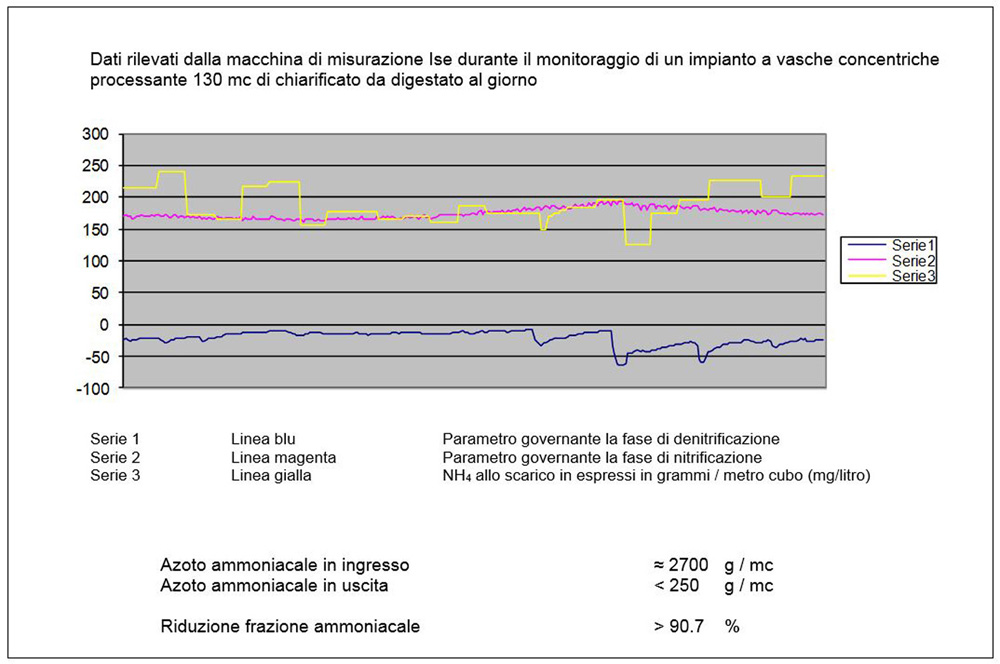
Concentric tanks — continuous cycle
Ideal for effluent volumes exceeding 80 m³/day.
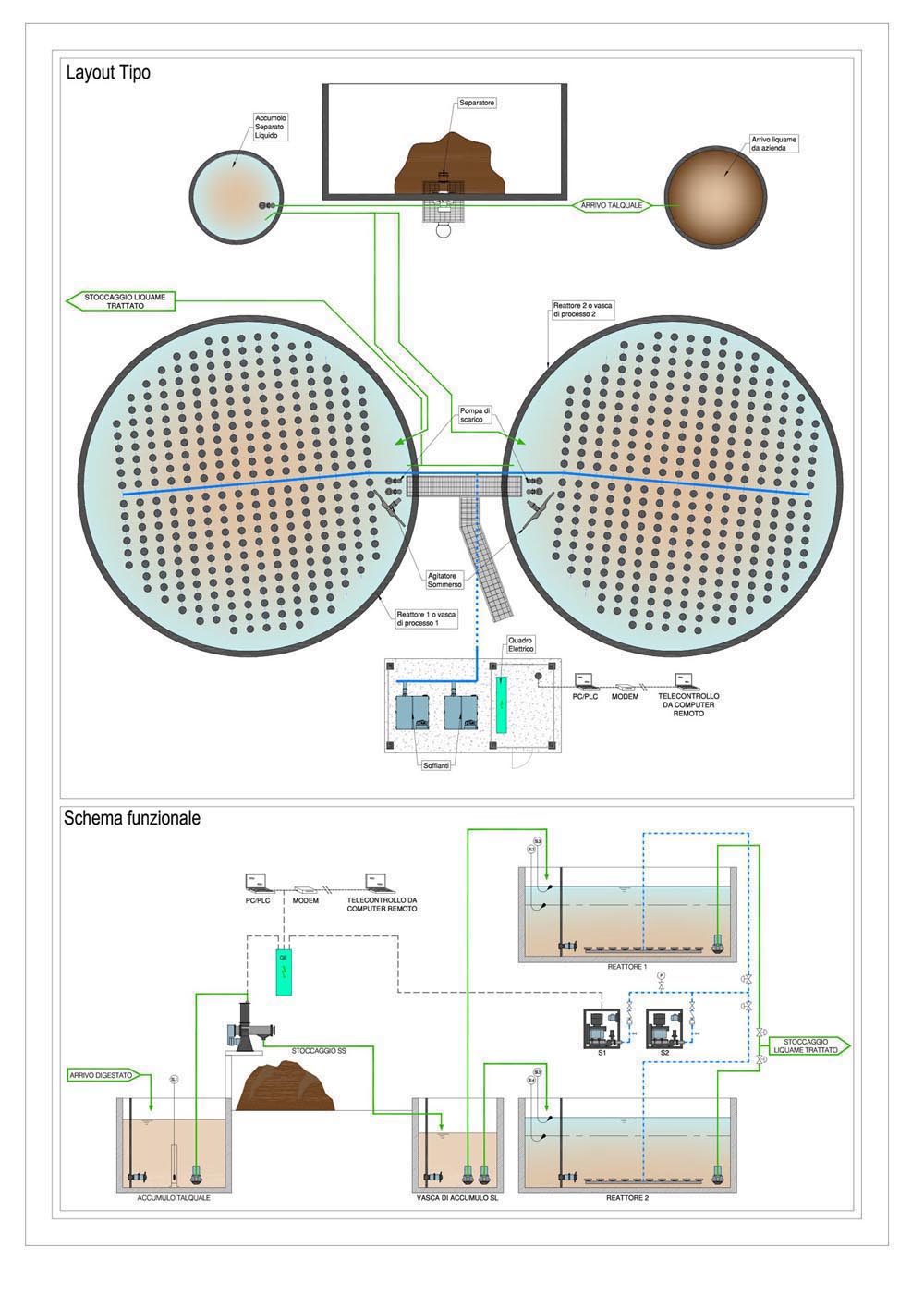
Parallel double tank
Ideal for variable effluent volumes throughout the year, from a minimum of 20 m³/day upwards.
Our decades of experience in the sector have allowed us to optimise the individual components of the plant as well as the biological process that takes place within it.
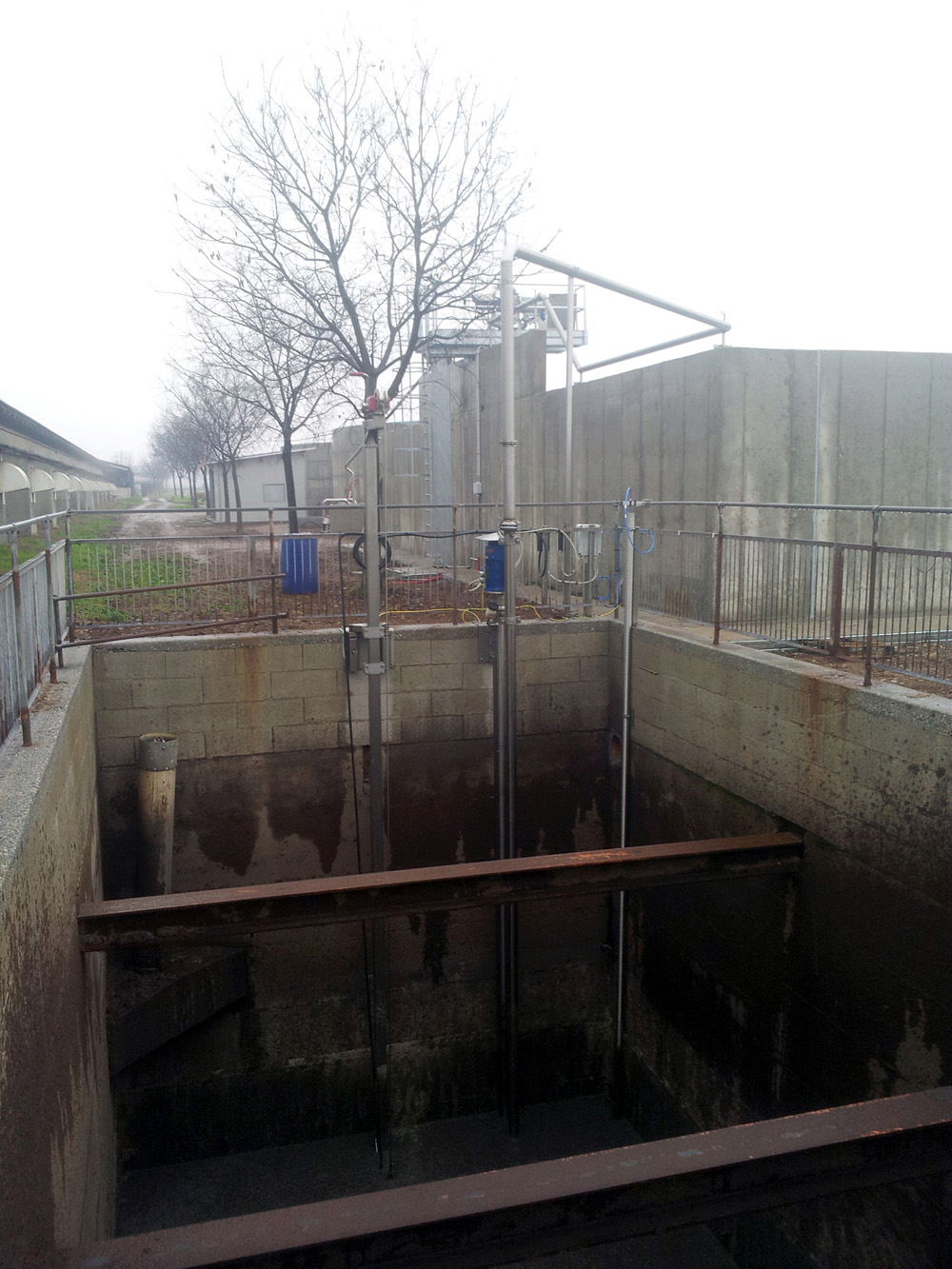
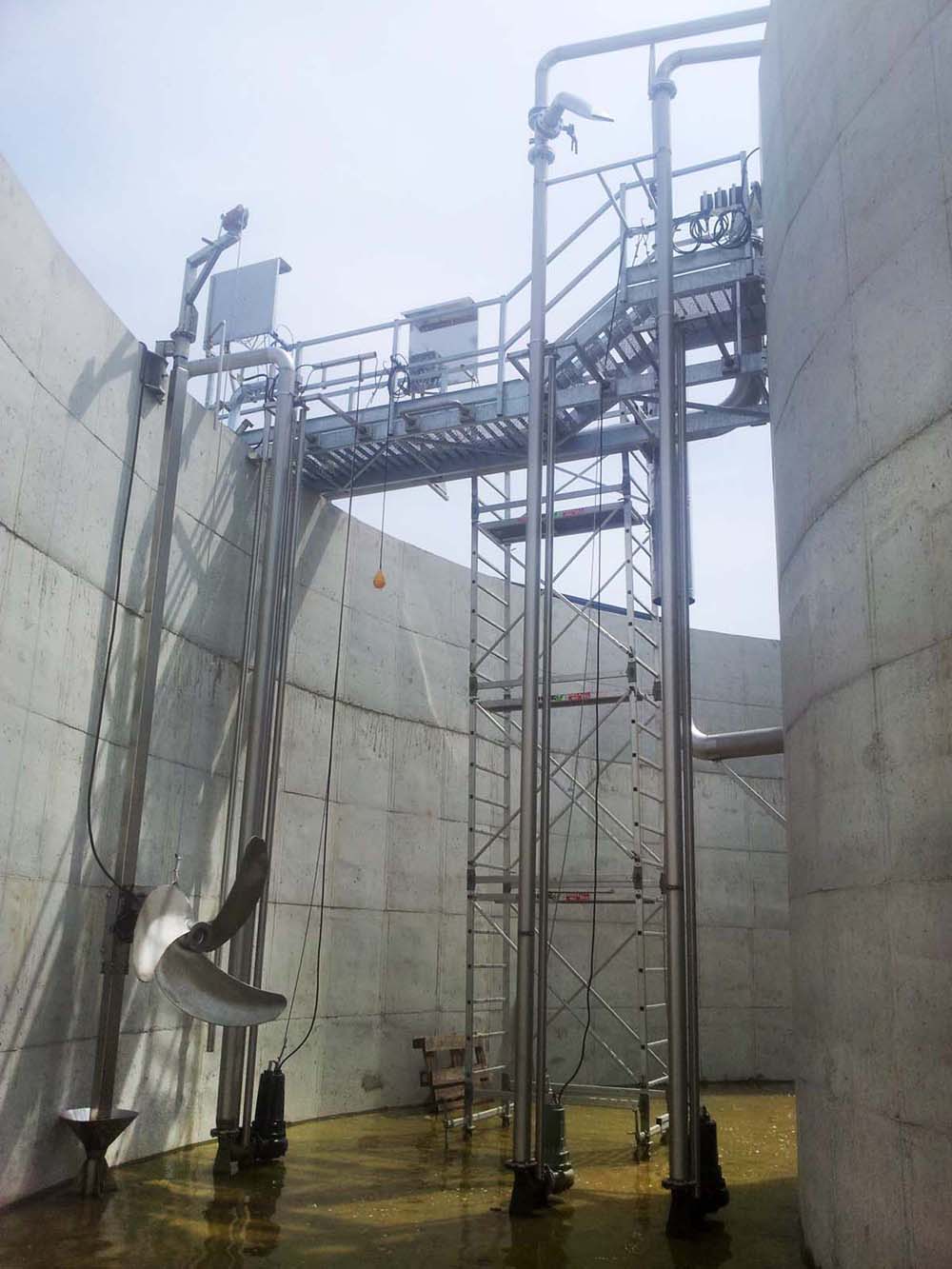
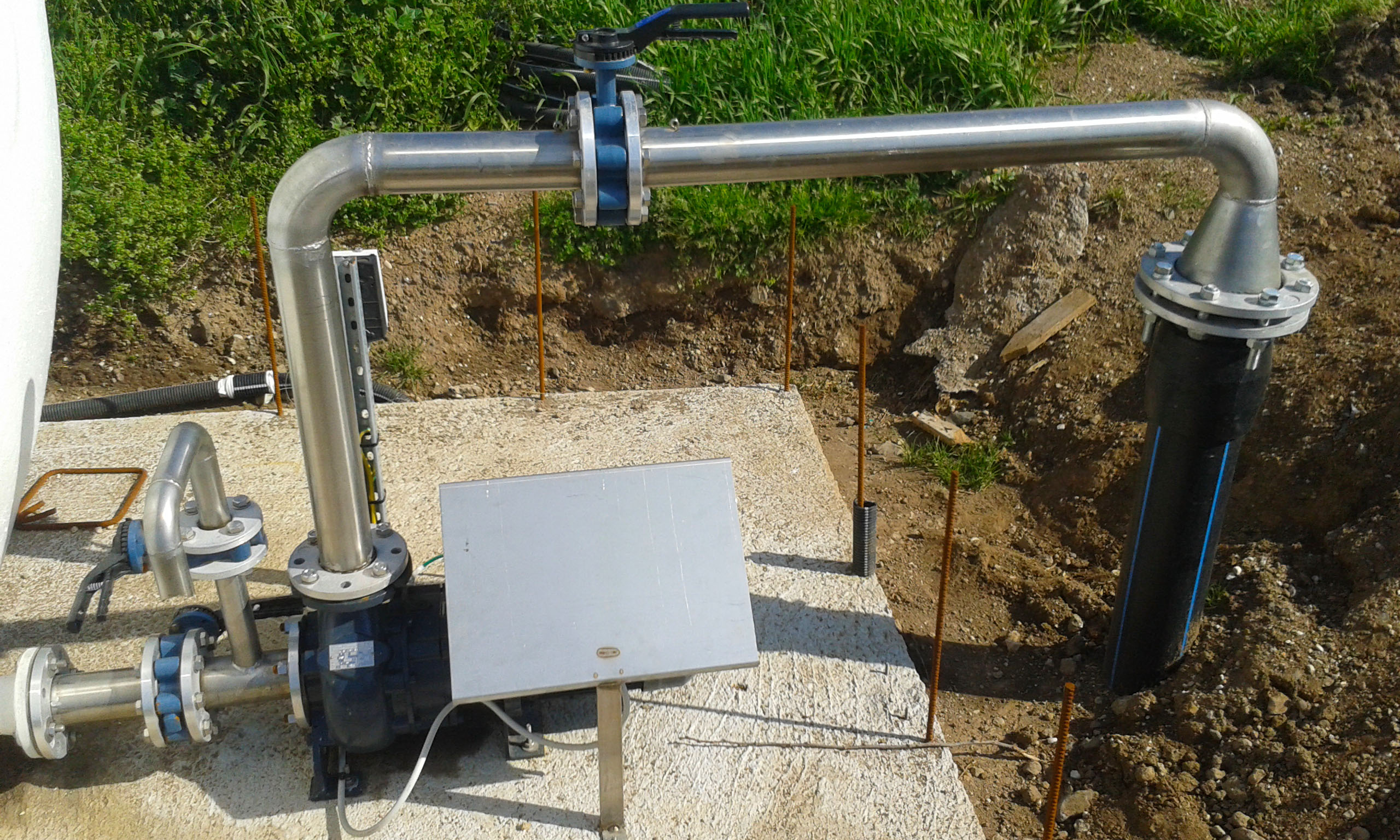
The effluent is collected and accumulated in a collection tank, from which it is automatically drawn and fed daily into the reactor. Inside the reactor, it alternates between two phases:
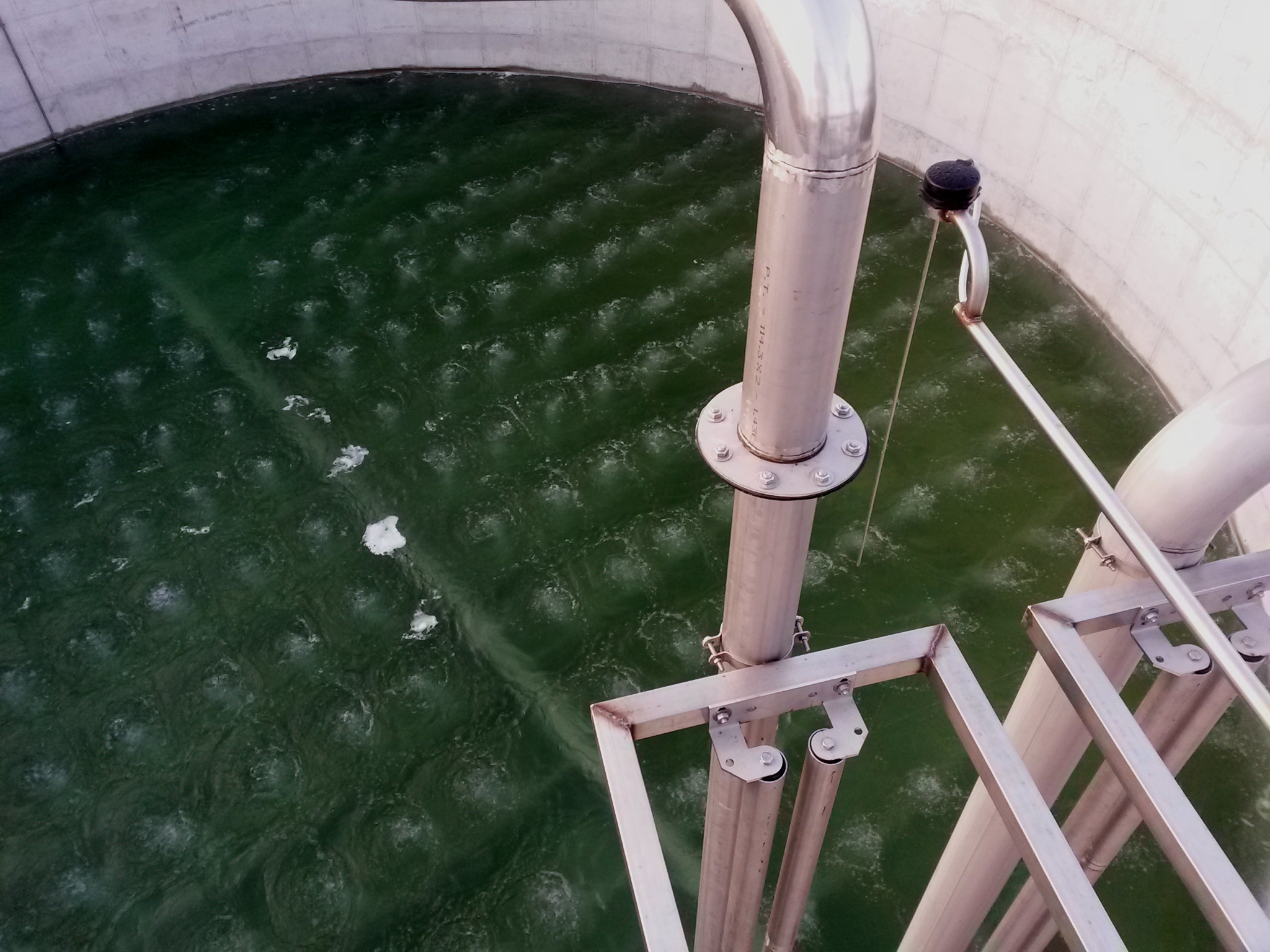
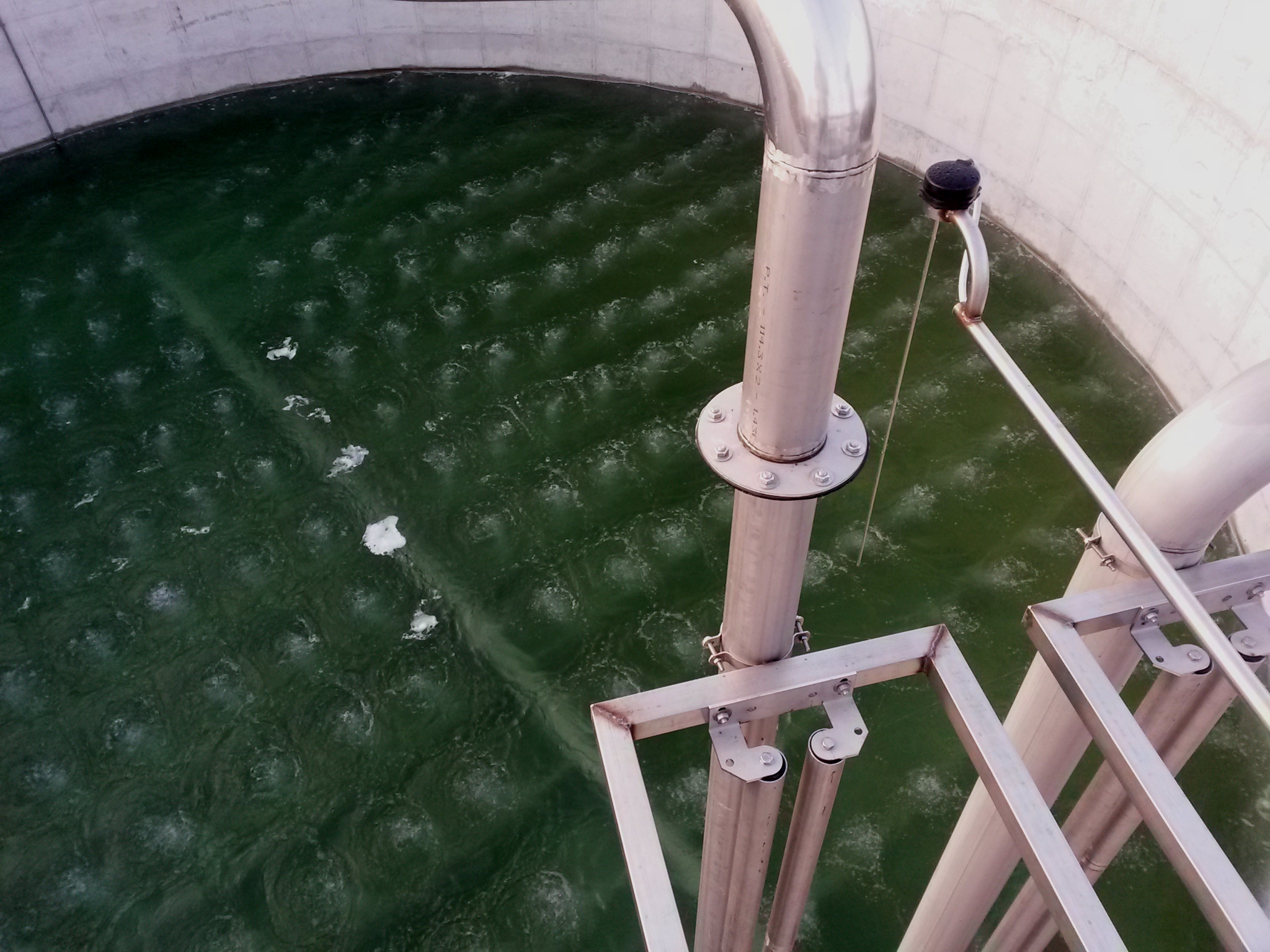
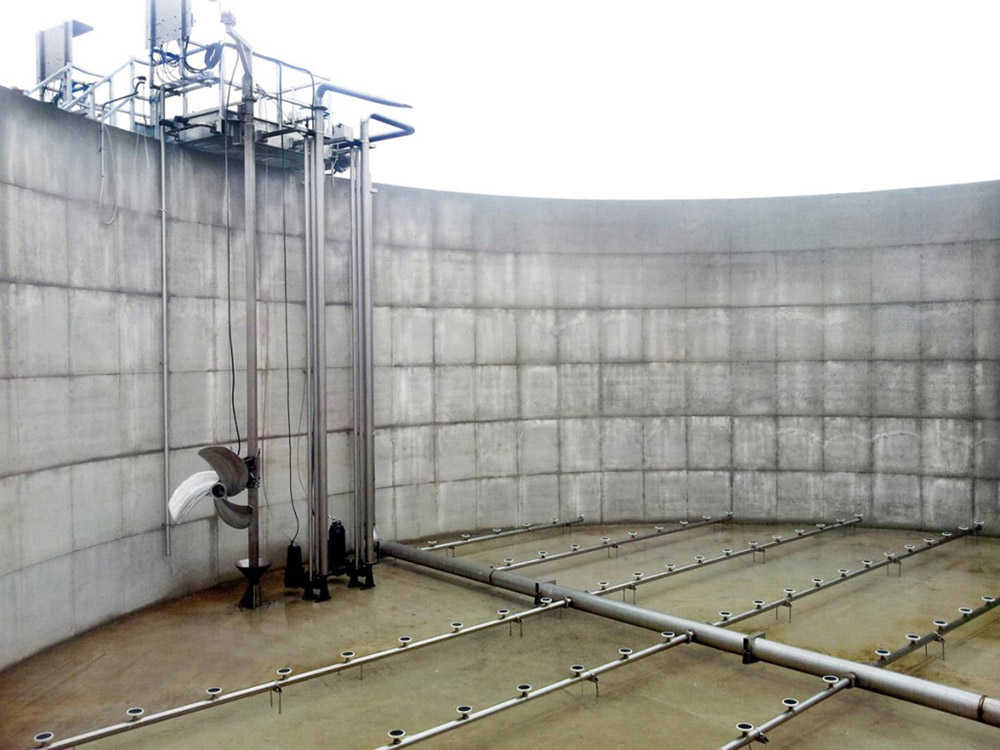
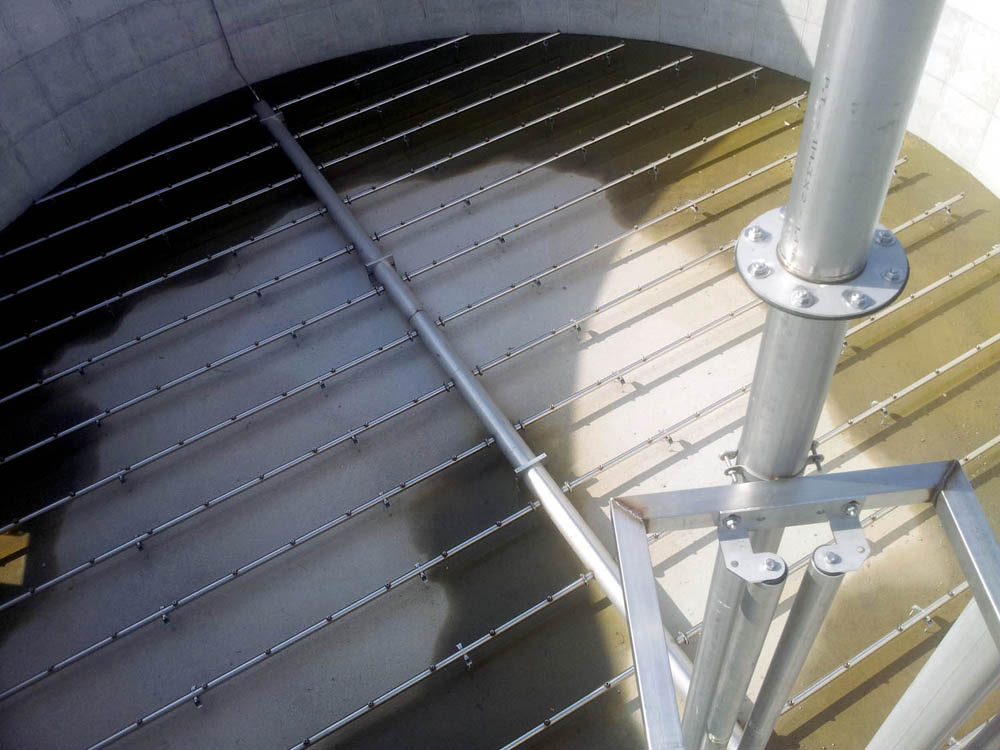
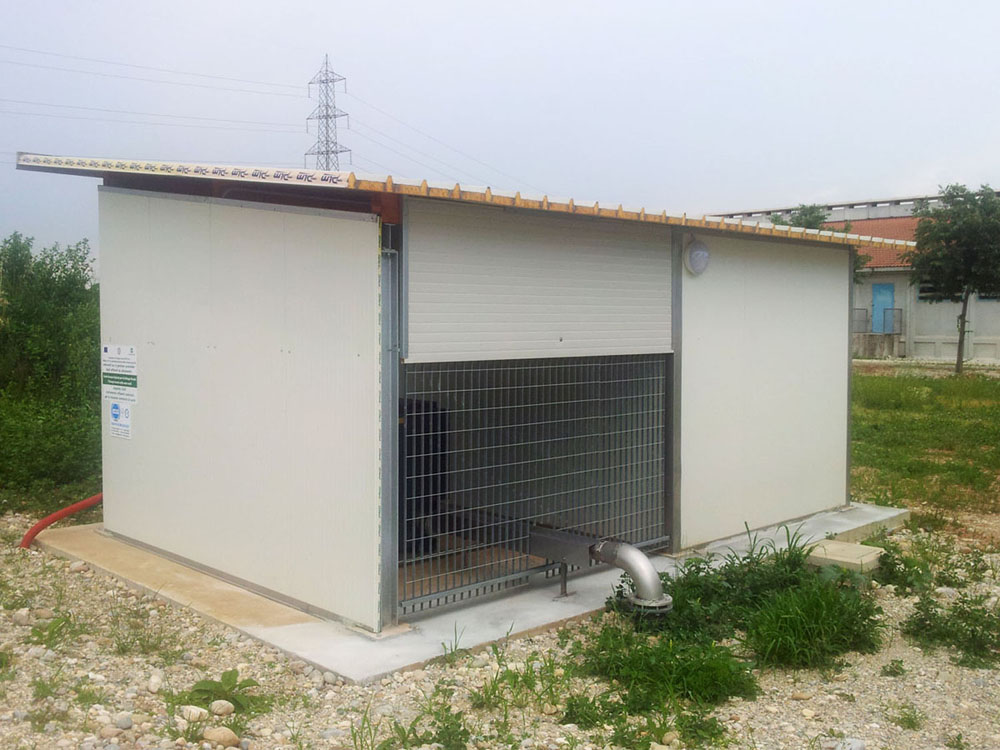
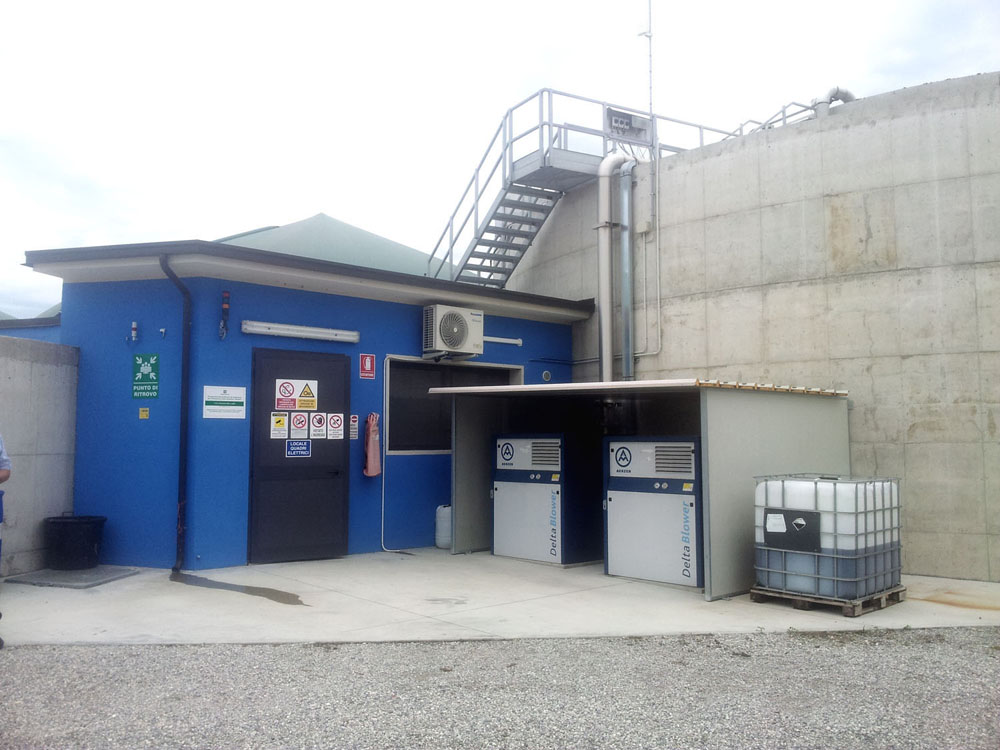
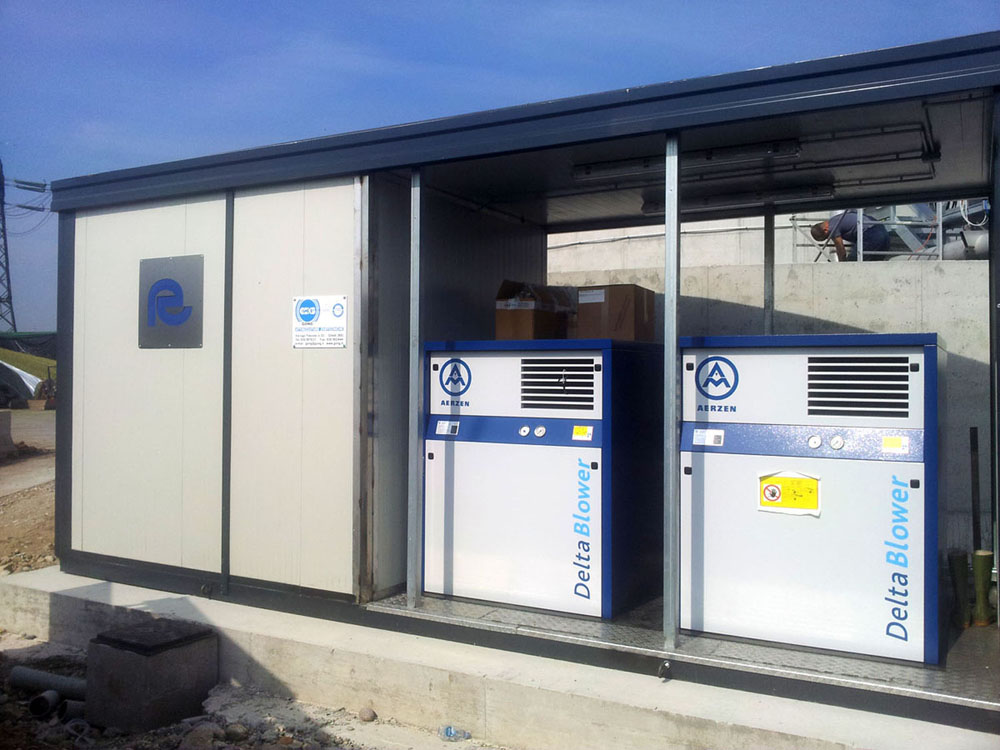
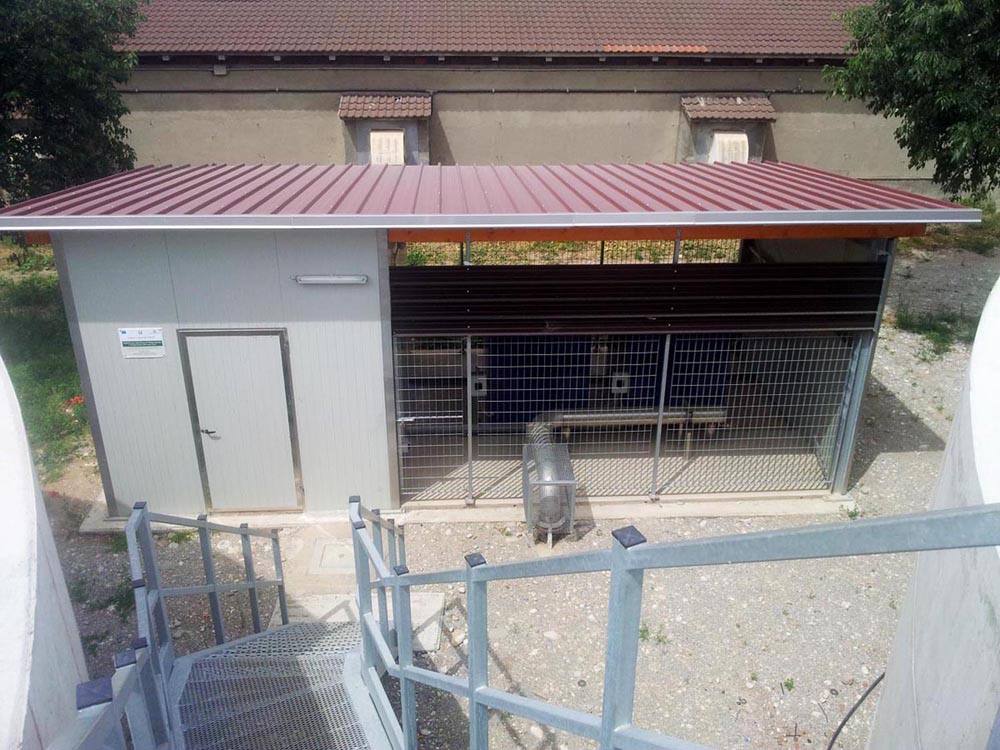
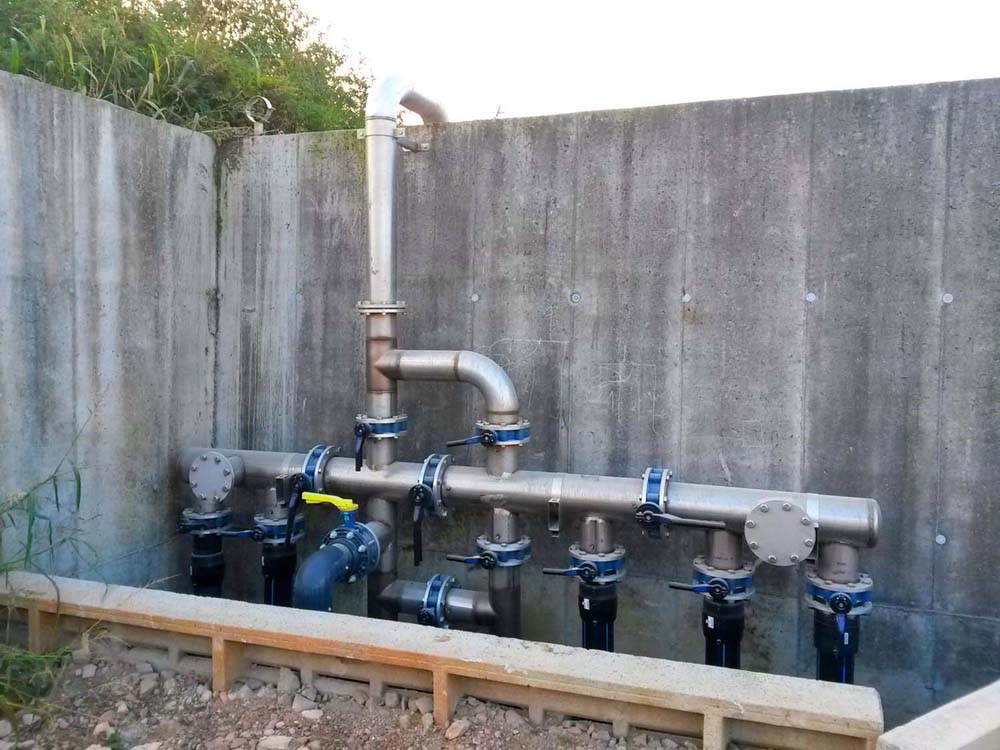
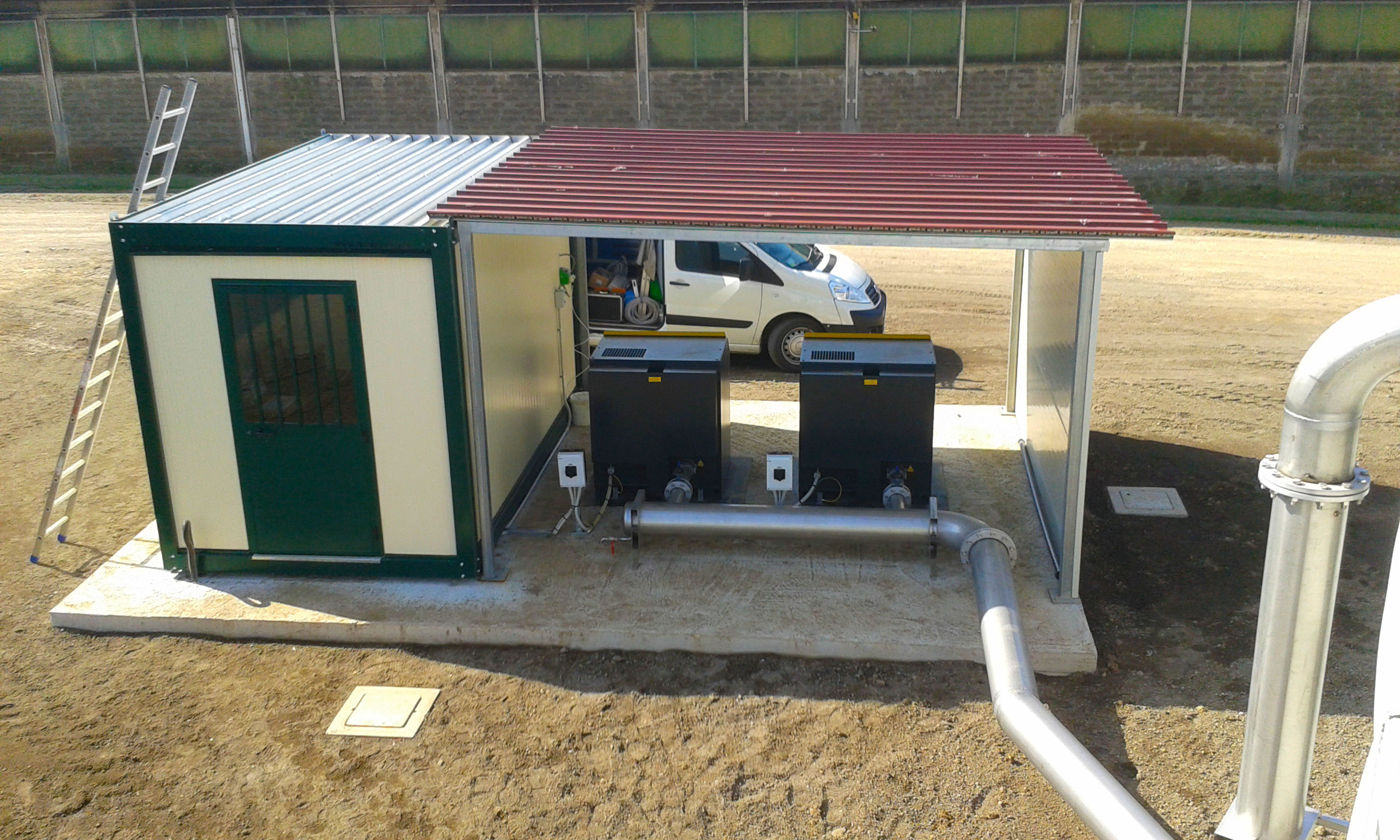
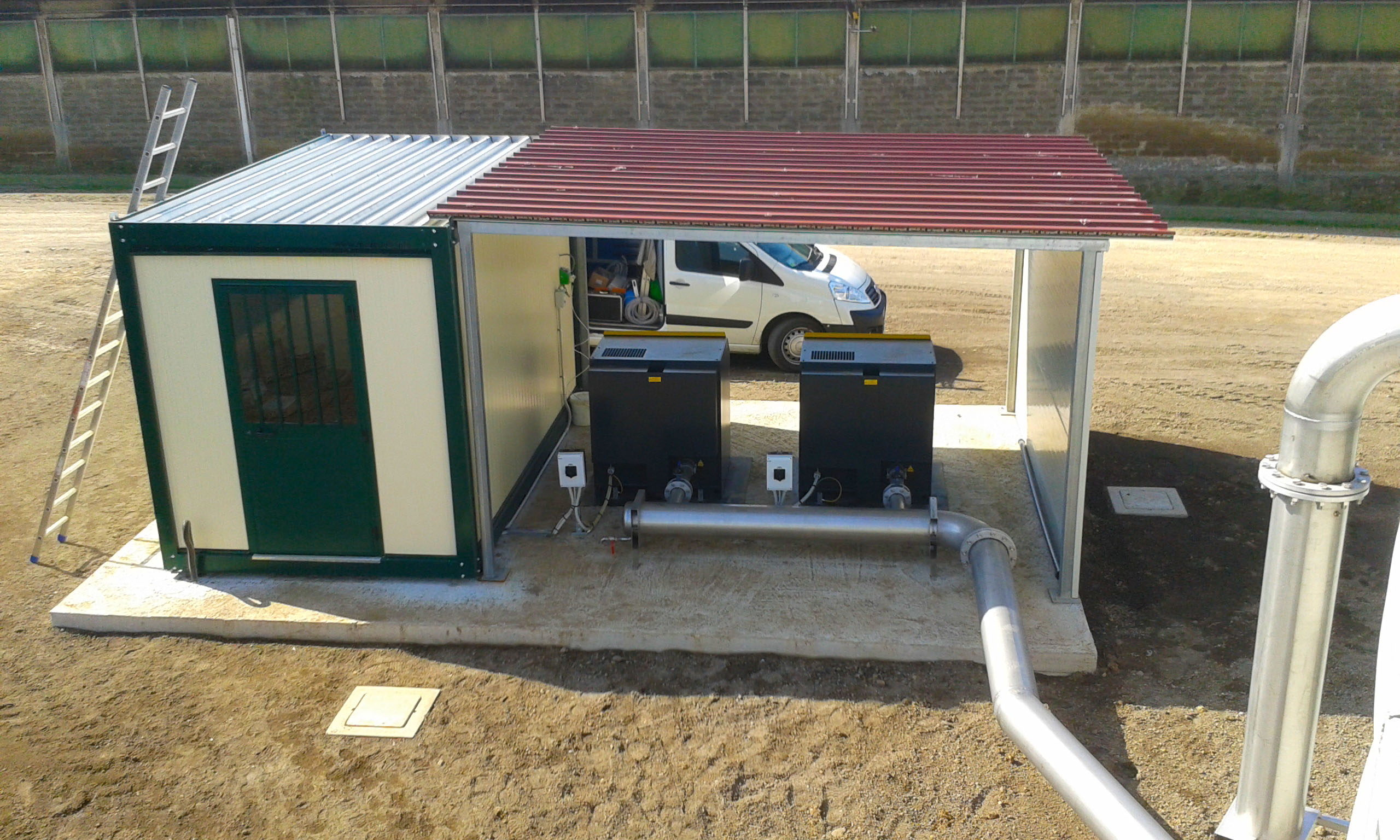
- Oxidation with nitrification of ammoniacal nitrogen — large quantities of air are injected into the slurry via positive-displacement blowers and a distribution network.
- Anoxic-phase feeding with denitrification — partial mixing and consequent denitrification by specialised heterotrophic bacteria (Pseudomonas). These micro-organisms produce harmless elemental nitrogen (N₂), which leaves the biomass and is released into the atmosphere as a gas.
The nitrogen-purified effluent is then ready to be transferred to storage tanks and spread on fields for fertigation.
Results
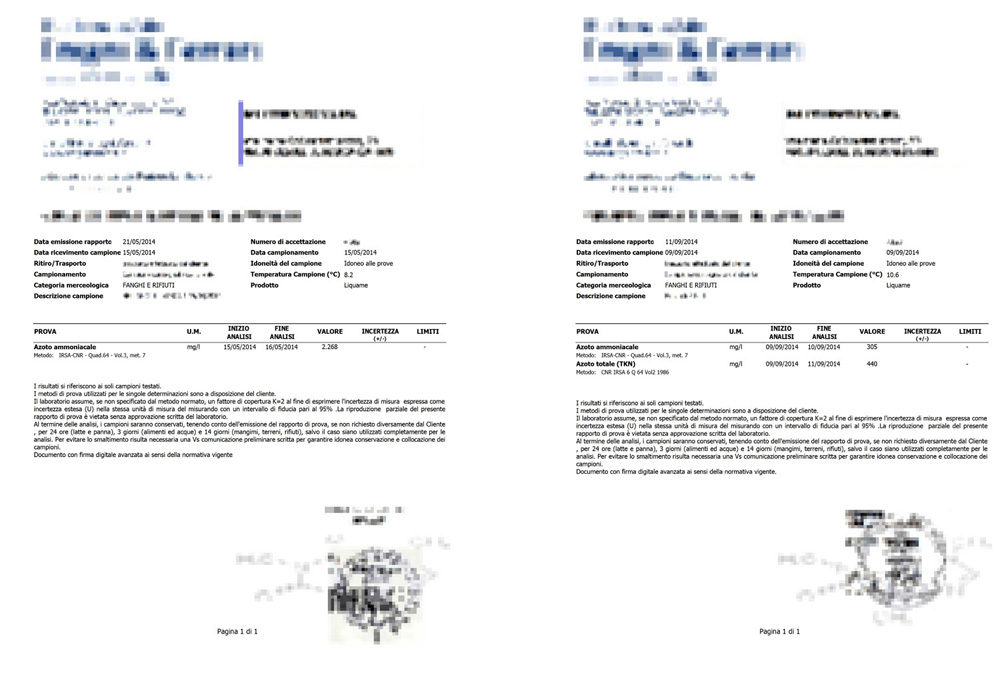
Analyses carried out on active plants demonstrate a reduction of 85–95% of the ammoniacal nitrogen fraction and 50% of the organic fraction, achieving an average total nitrogen reduction of 65–75%. This range is attributable to the variable ratio between ammoniacal and organic nitrogen, which differs from farm to farm depending on multiple factors including the type of livestock and the effluent to be processed (raw slurry or digestate).
At the design stage, the characteristics, quality, and ratio between the different nitrogen fractions present in the slurry are fundamental data to which Gong's technicians adhere in order to define the best Nitro-Denitro plant design.
Operating Costs
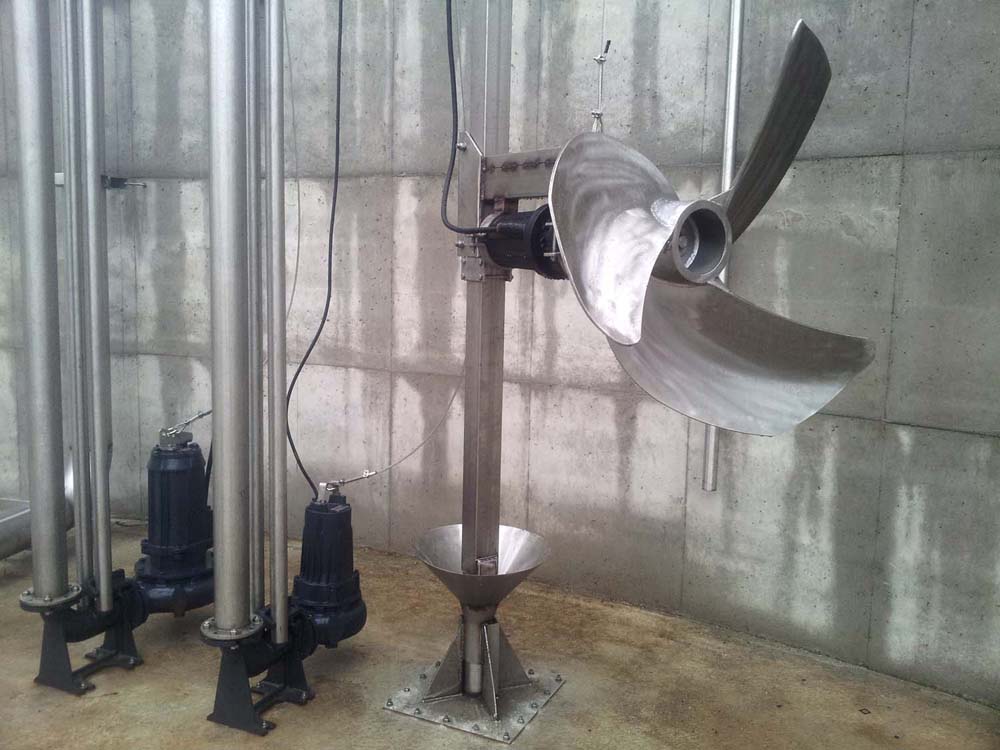
The main energy consumers are the positive-displacement blowers, followed by mixers and slurry transfer pumps. Thanks to numerous technical refinements, and contrary to what is suggested in the scientific literature, the average power consumption of the Nitro-Denitro system does not exceed 10 kW per m³ of treated effluent.
Example: A 40 m³/day plant → daily consumption of 400 kW. Energy costs are determined on the basis of the price per kW.
Mechanical and Biological Service
Gong makes its expertise available through a dual service offering:
Mechanical Service
Periodic and/or on-demand inspection and maintenance of the installed machinery and instrumentation, to preserve operational reliability and the accuracy of recorded data.
Biological Service
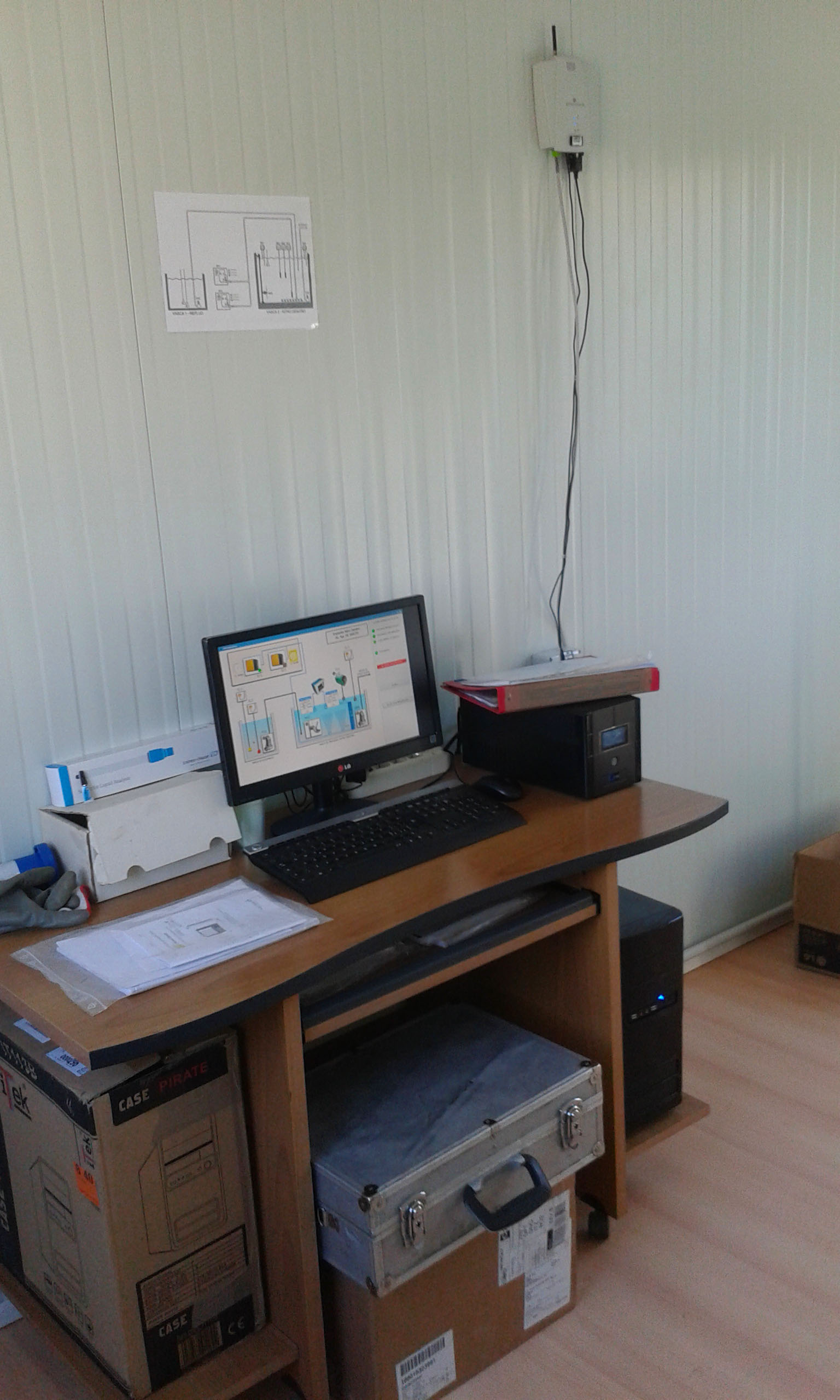
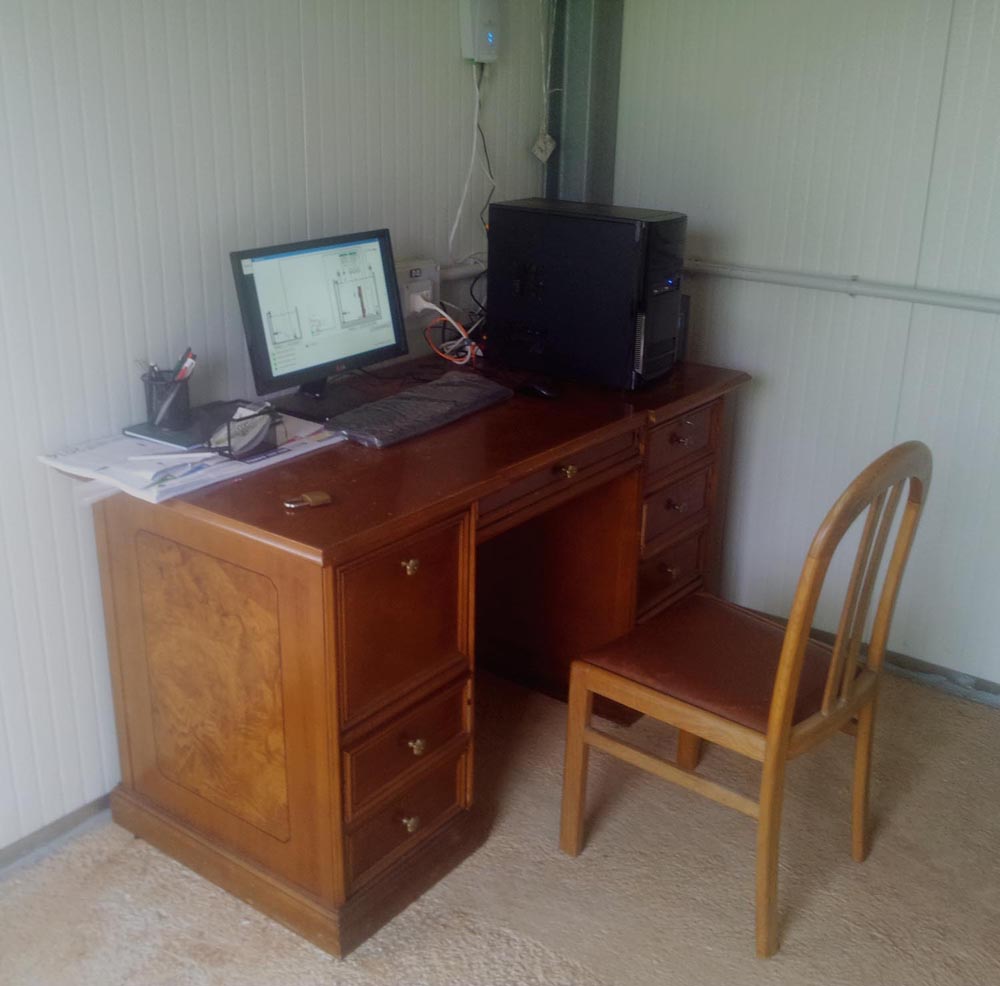
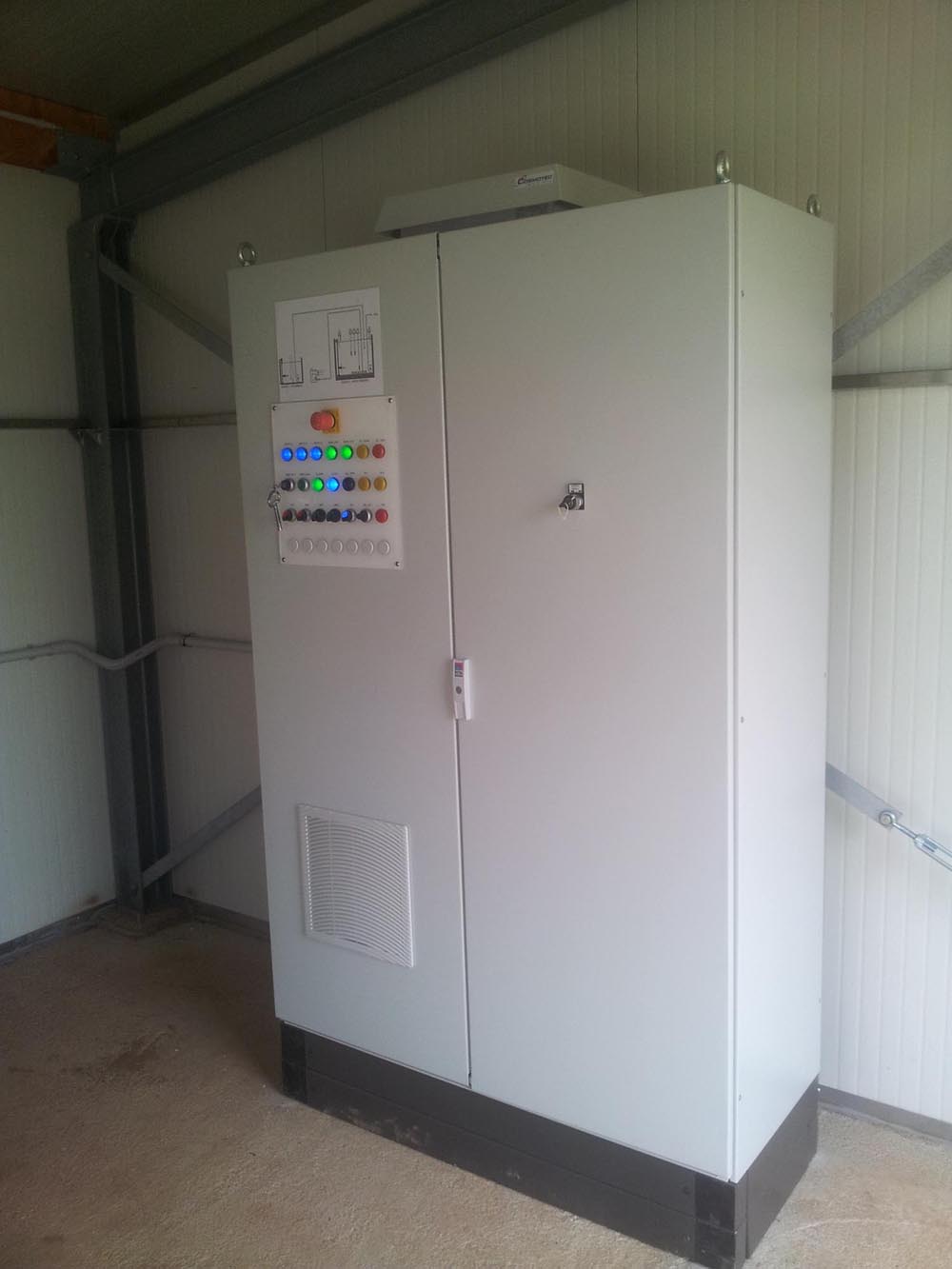
Monitoring of the entire process via remote control systems and periodic on-site visits, including sampling and analysis of the outgoing effluent, providing the farm and its agronomist with the documentation required for land-spreading applications.
GONG TECNOLOGY S.r.l. — Liquid system specialists. Via Ugo Foscolo, 83, 25016 Ghedi (BS), Italy.
Nitrogen Treatment System — 2026 Catalog
Sistema di Abbattimento Nitrati — Catalogo 2026
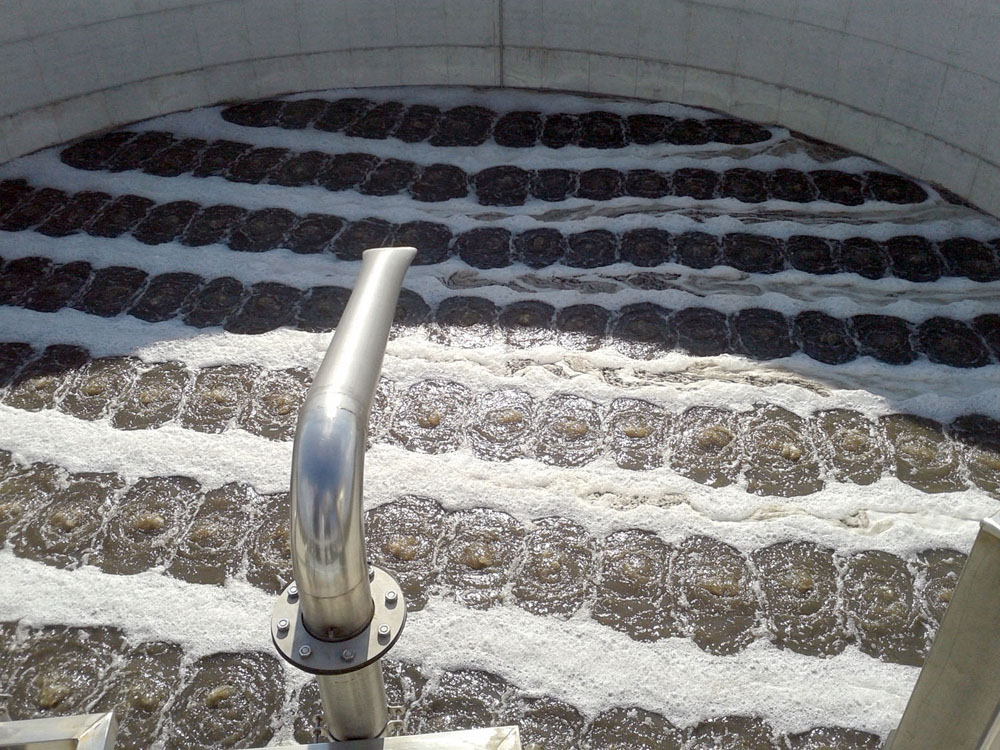
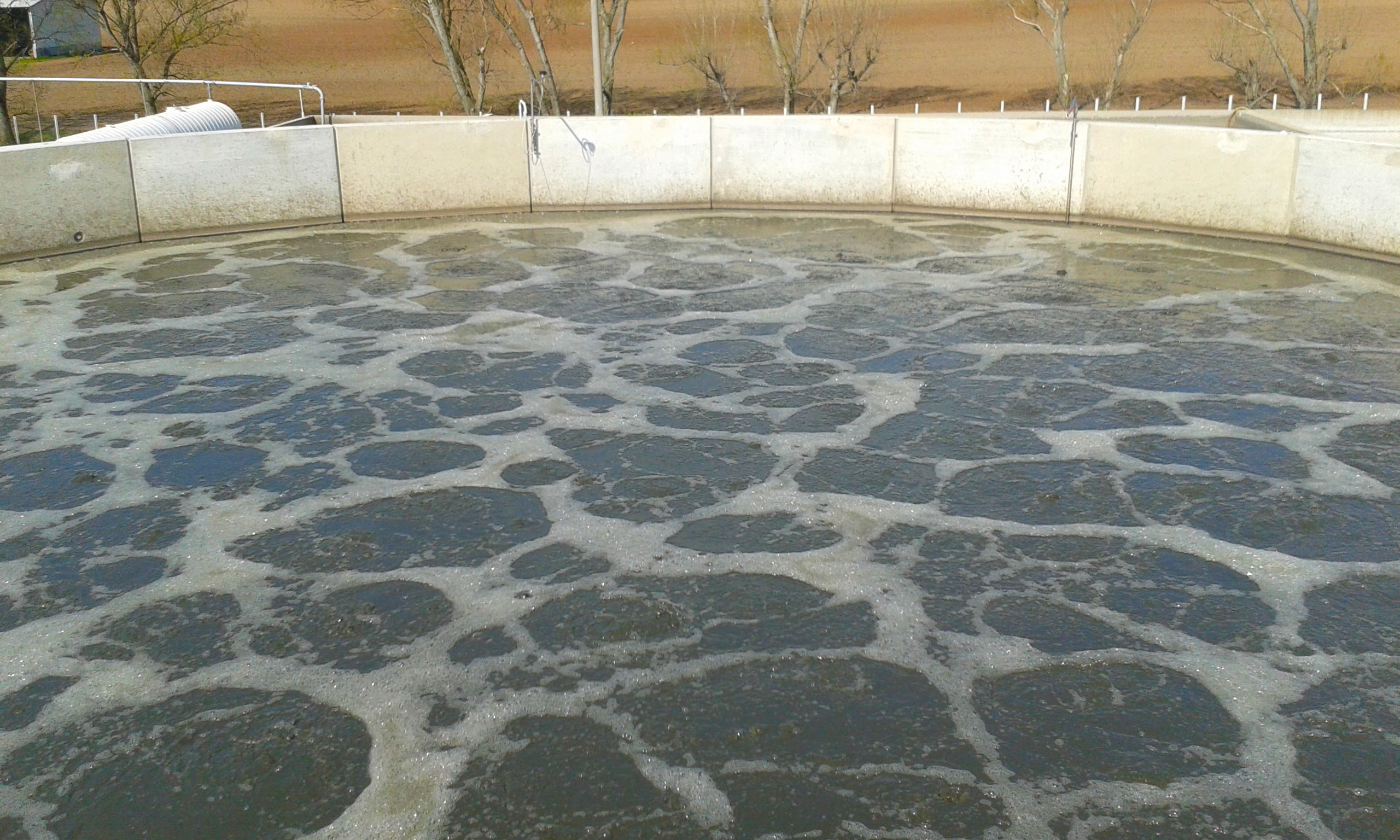
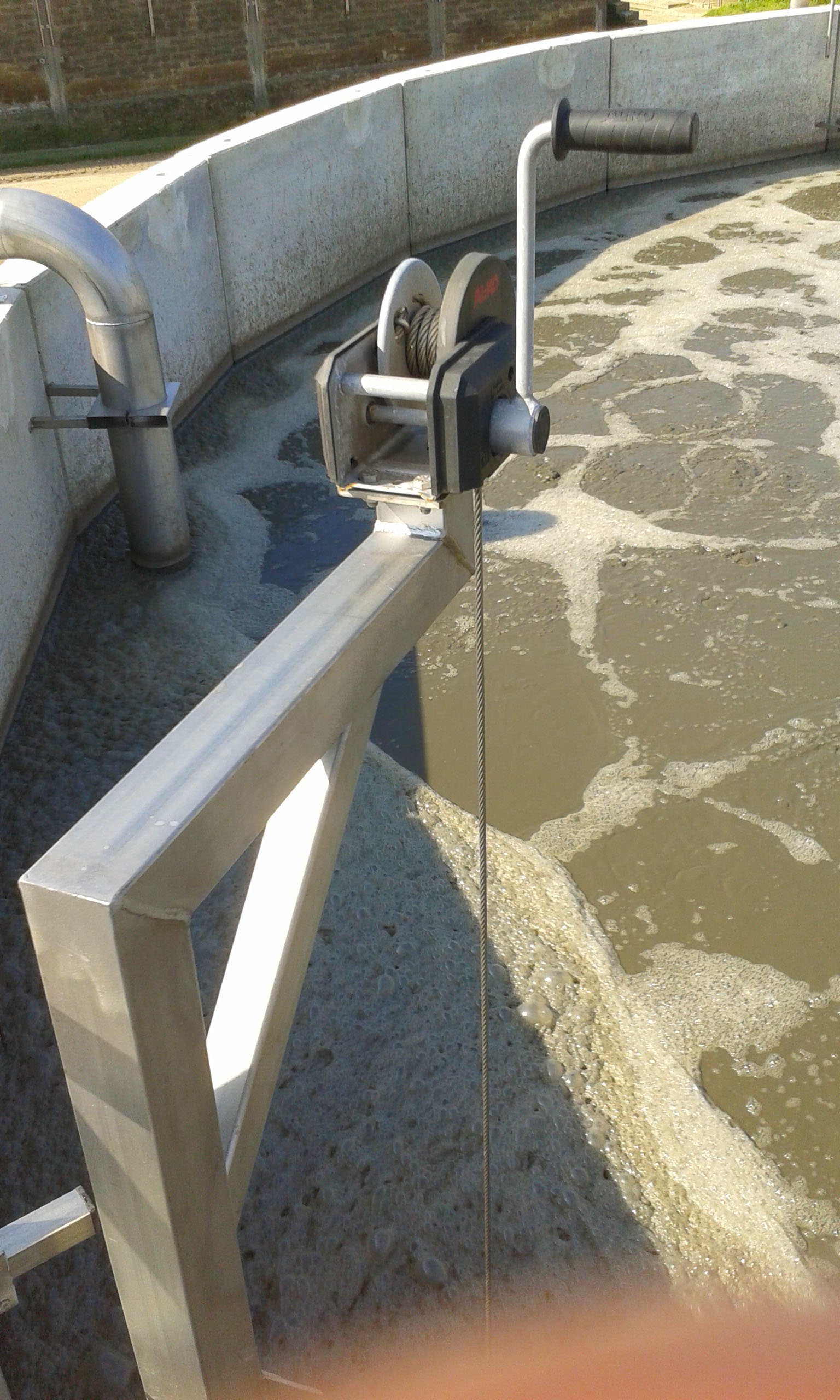
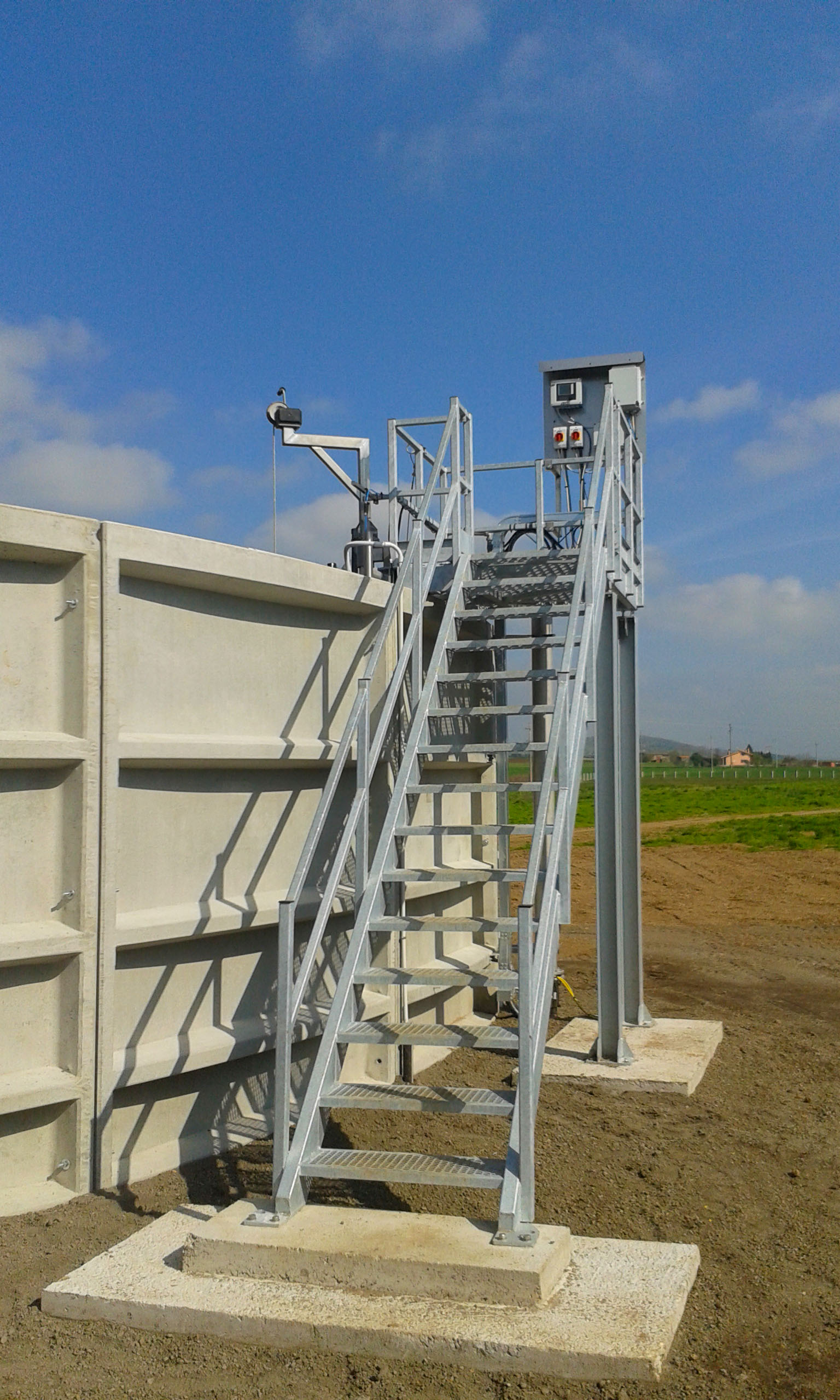
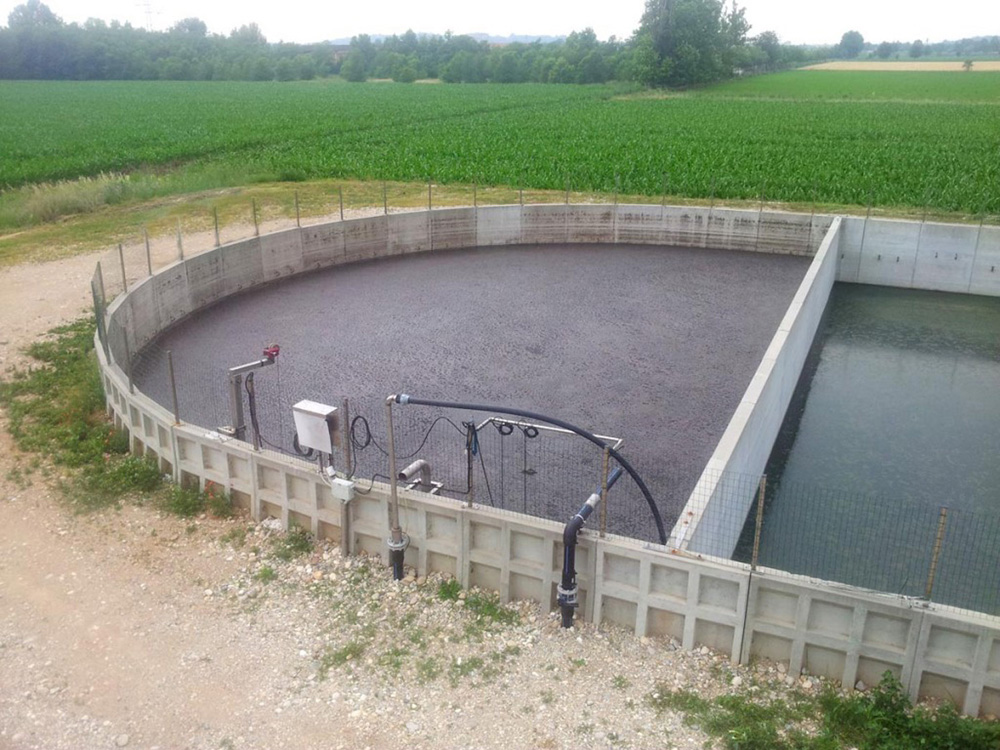
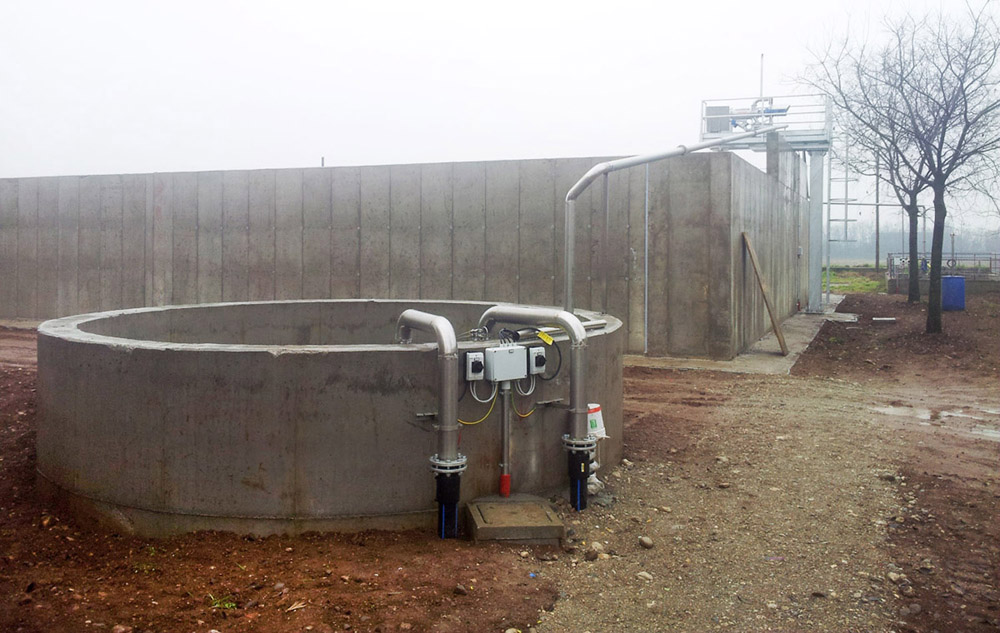
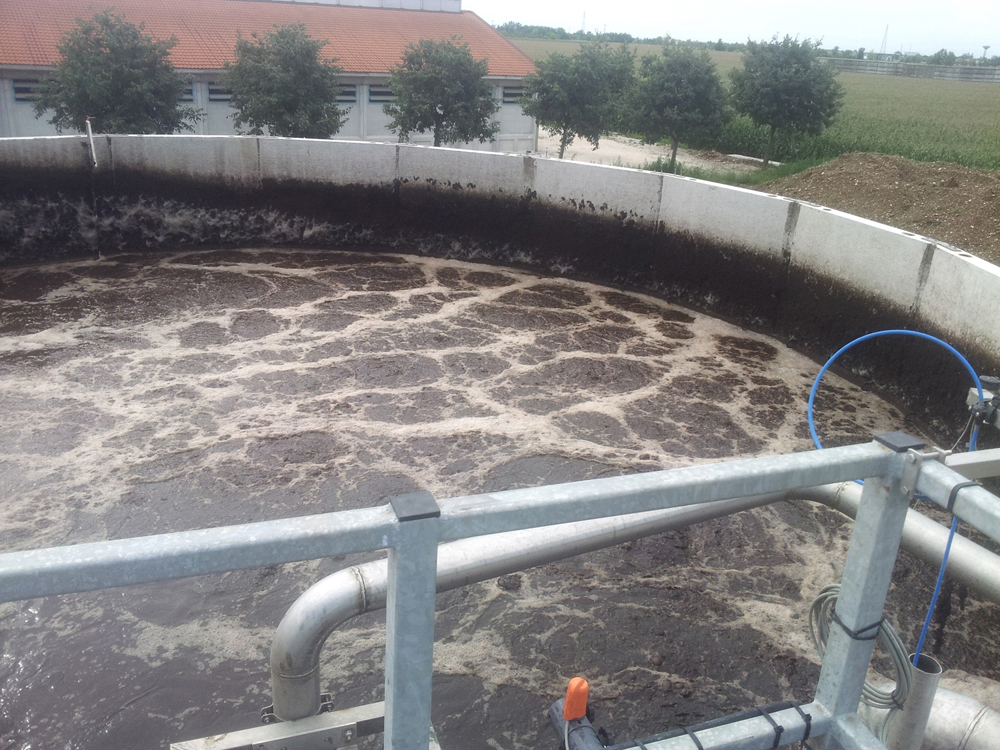
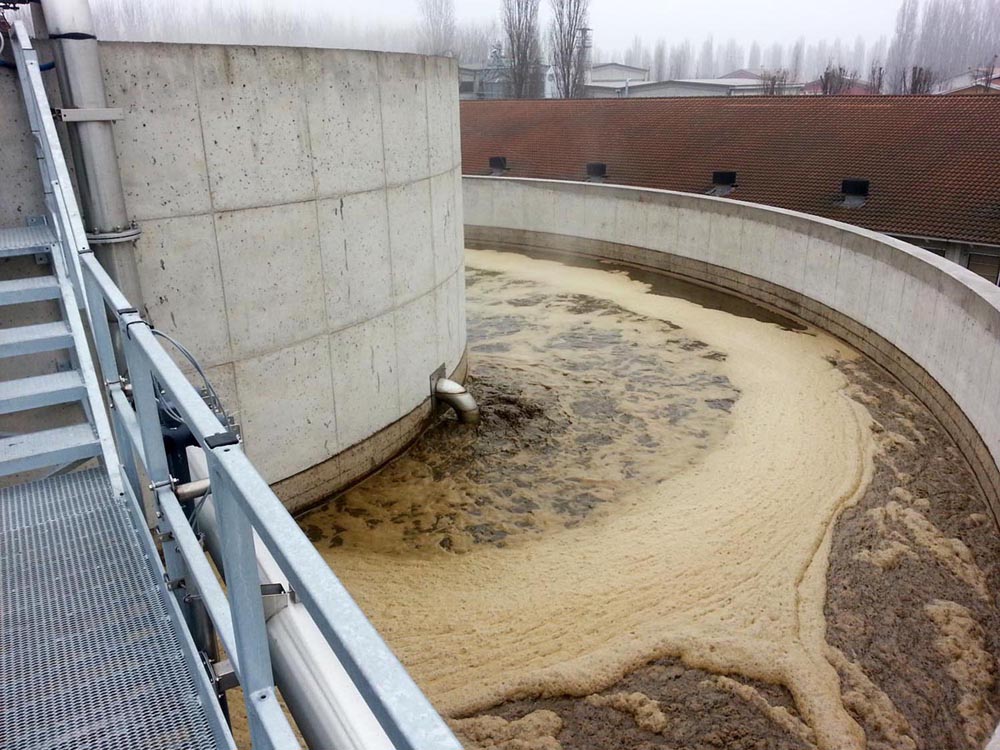
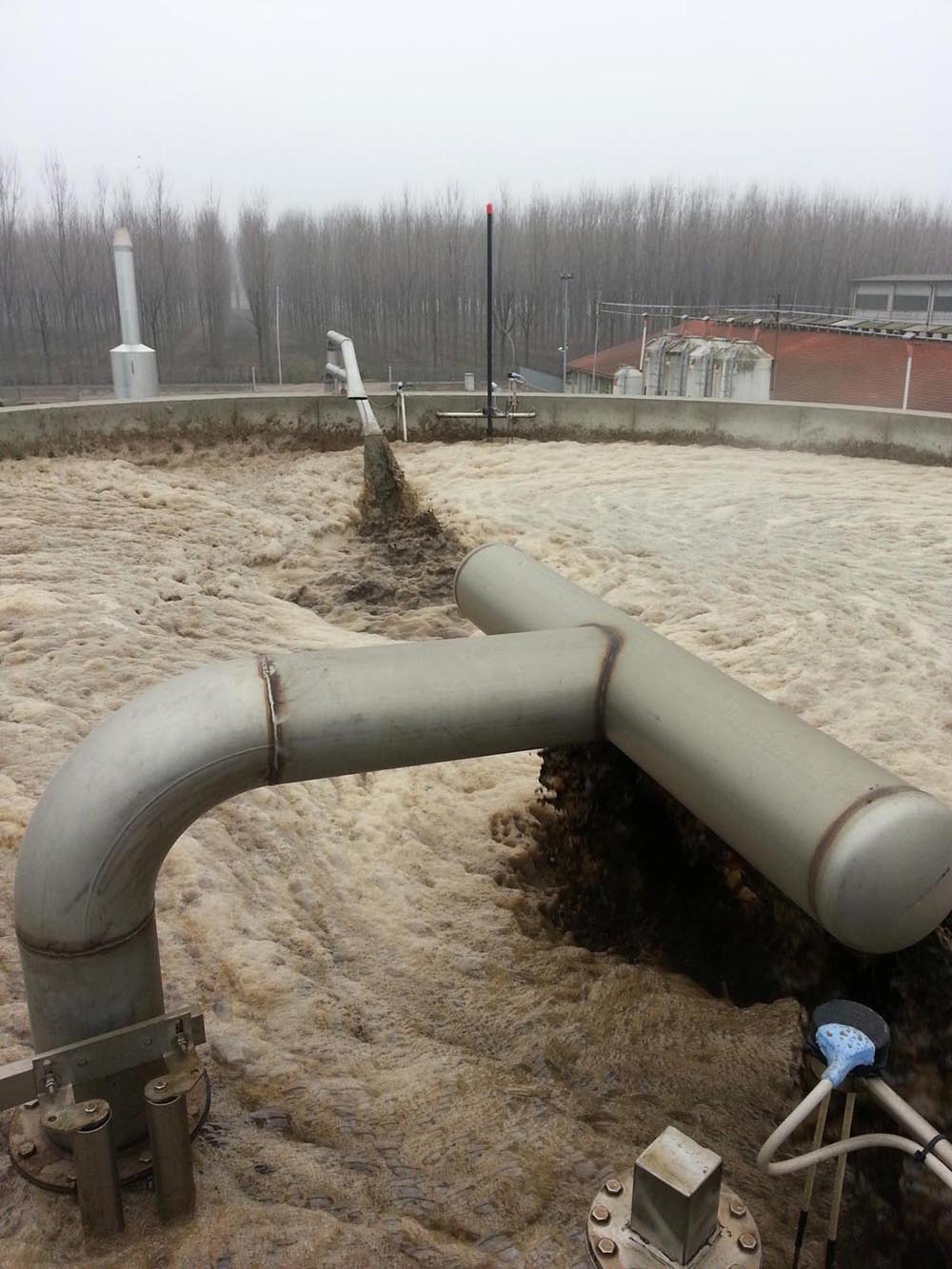
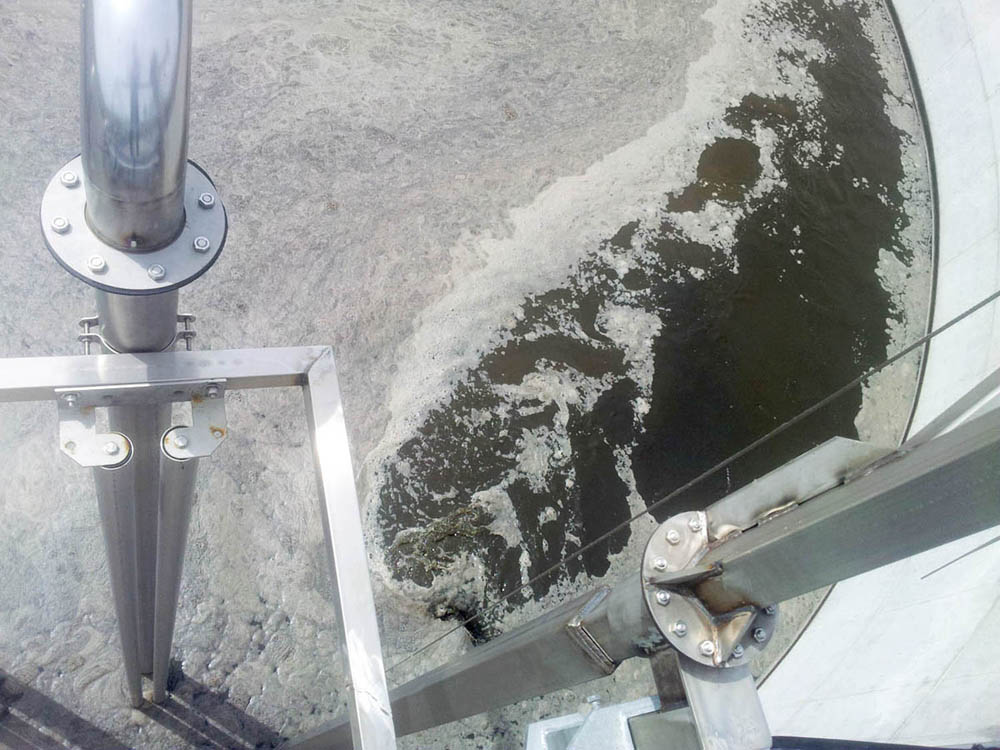
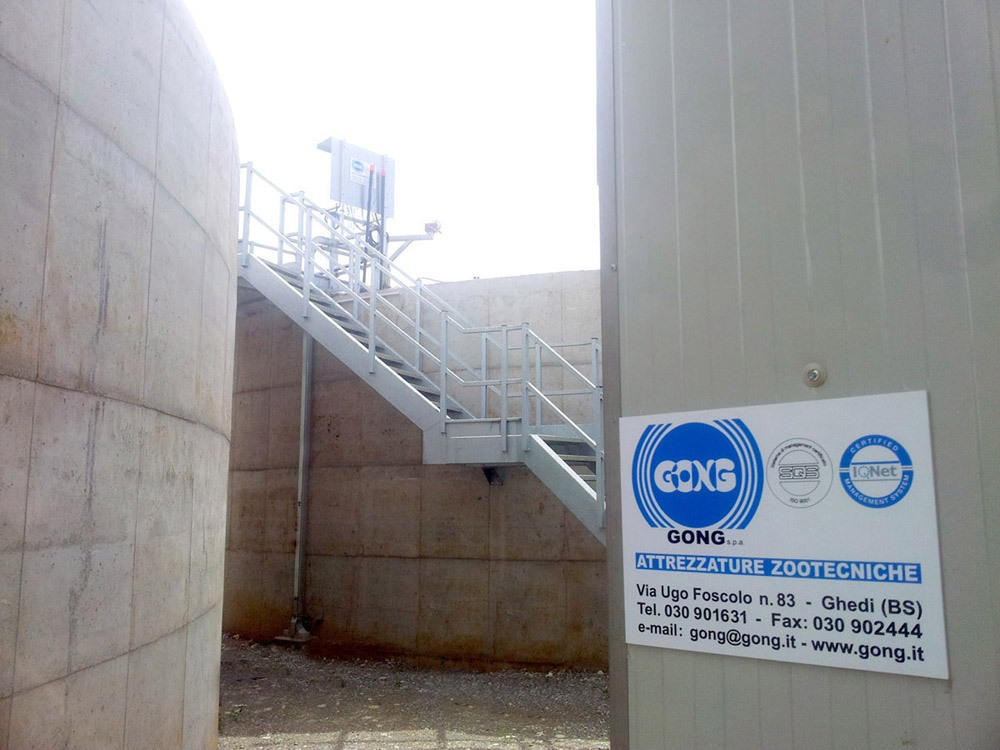
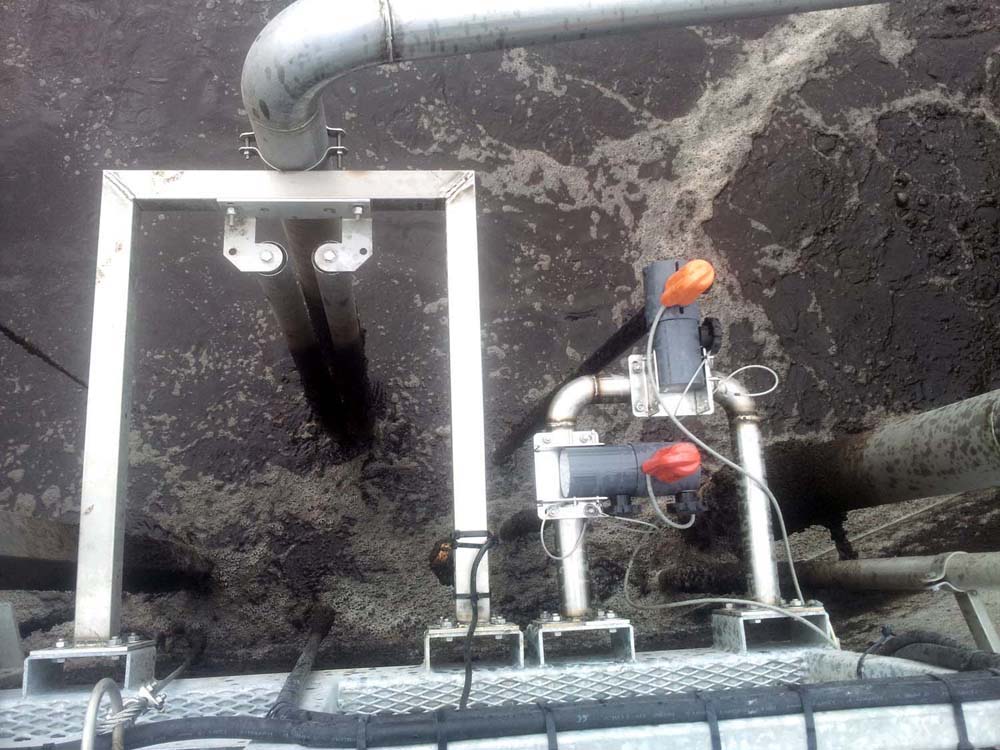
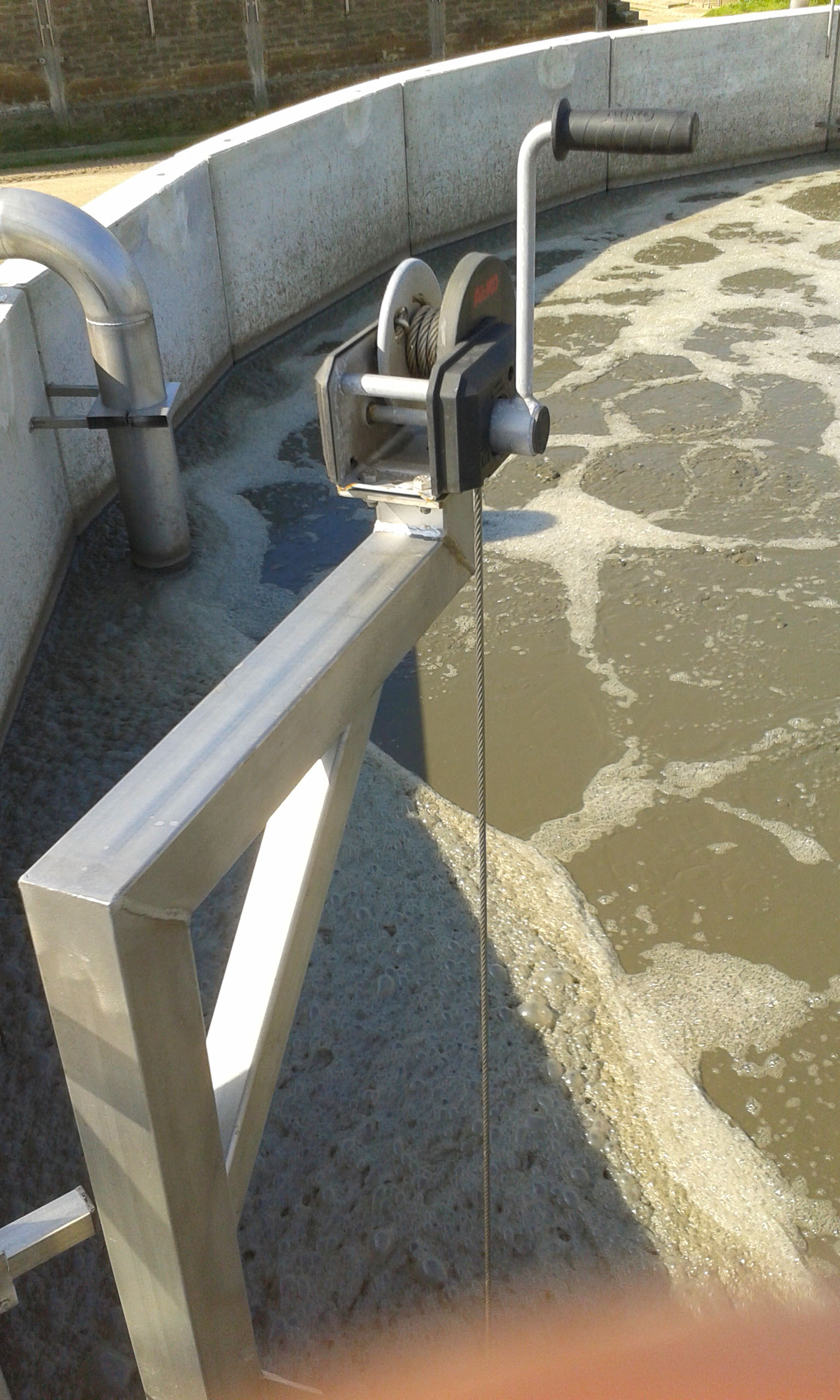
Functioning tank
Vasca in funzione
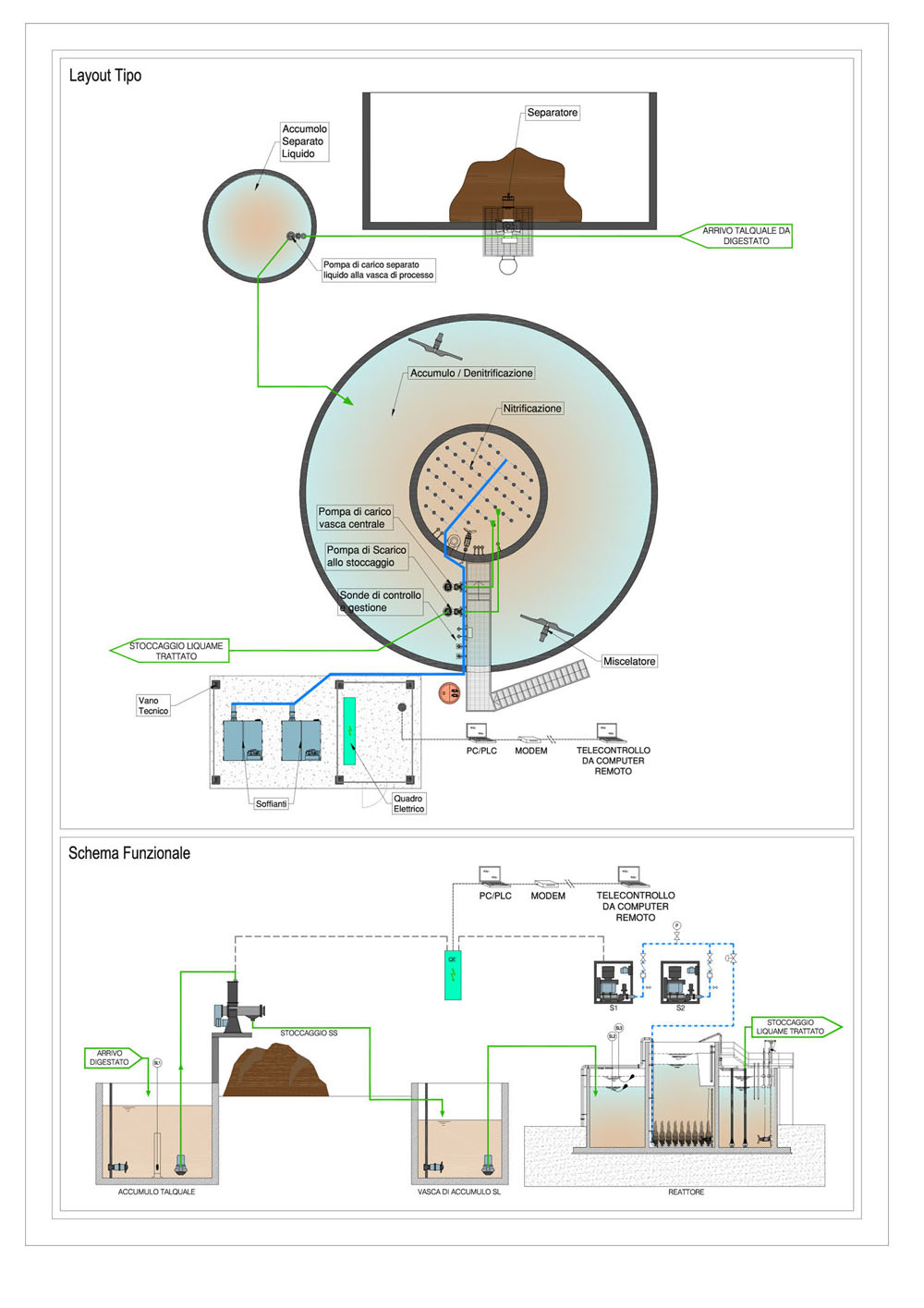
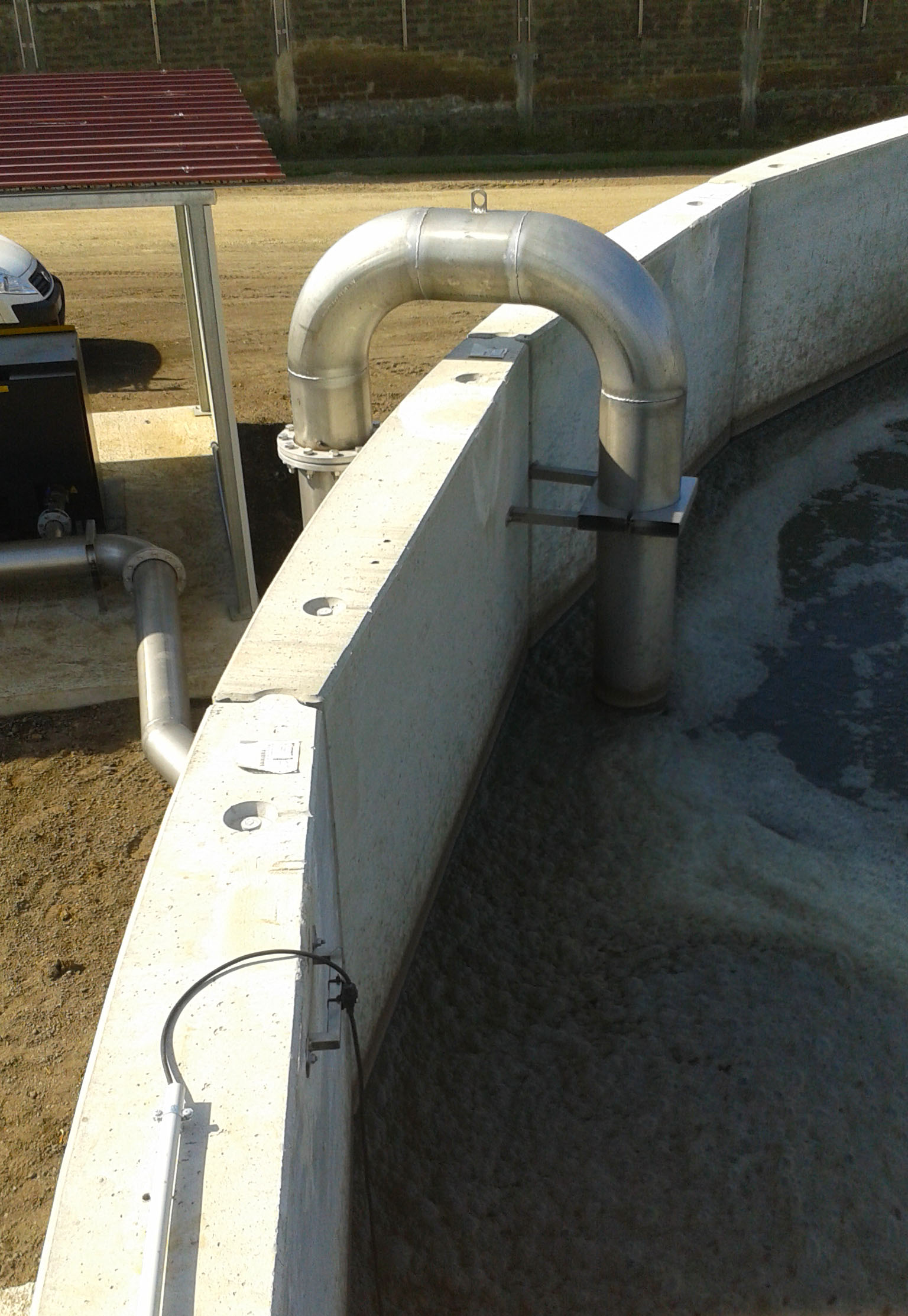
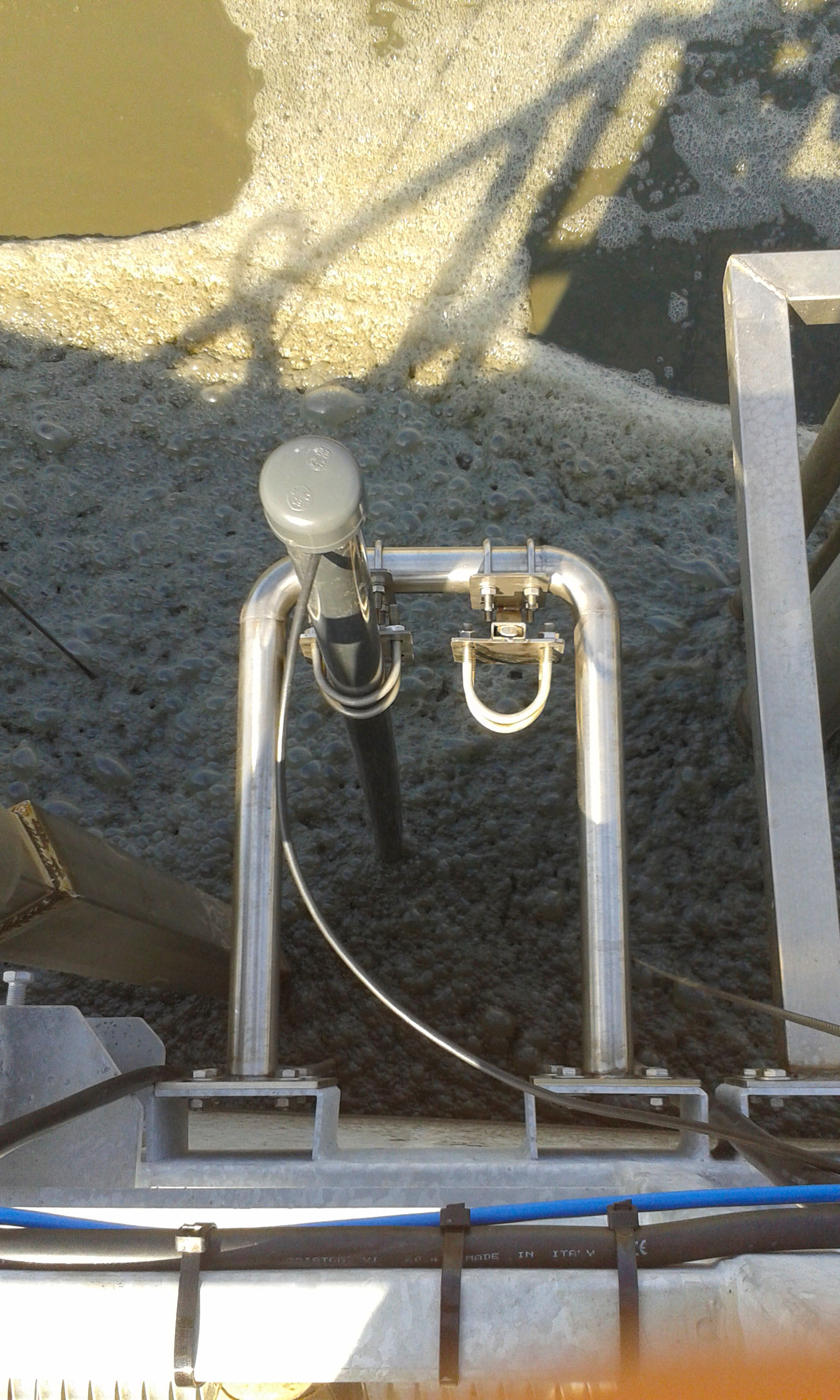
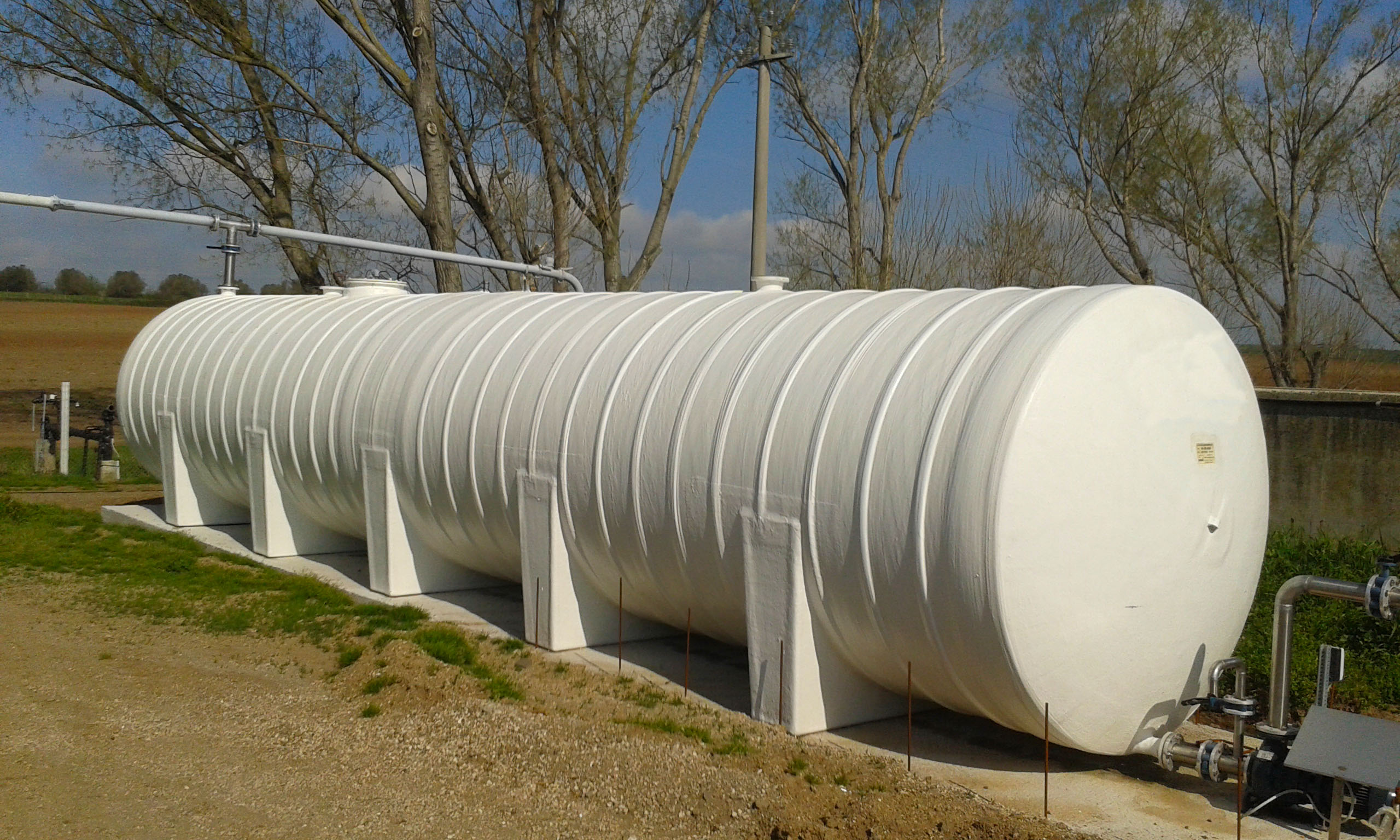
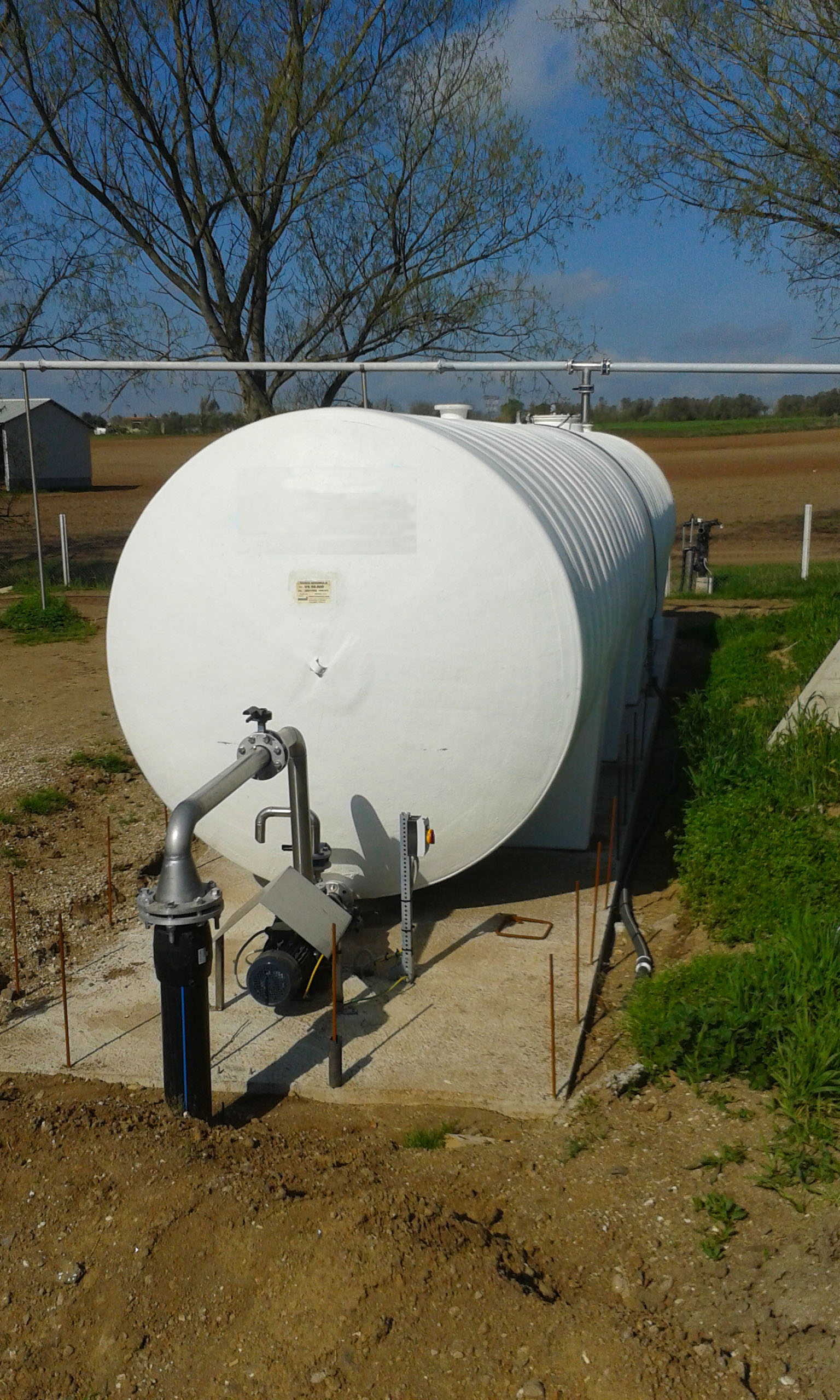
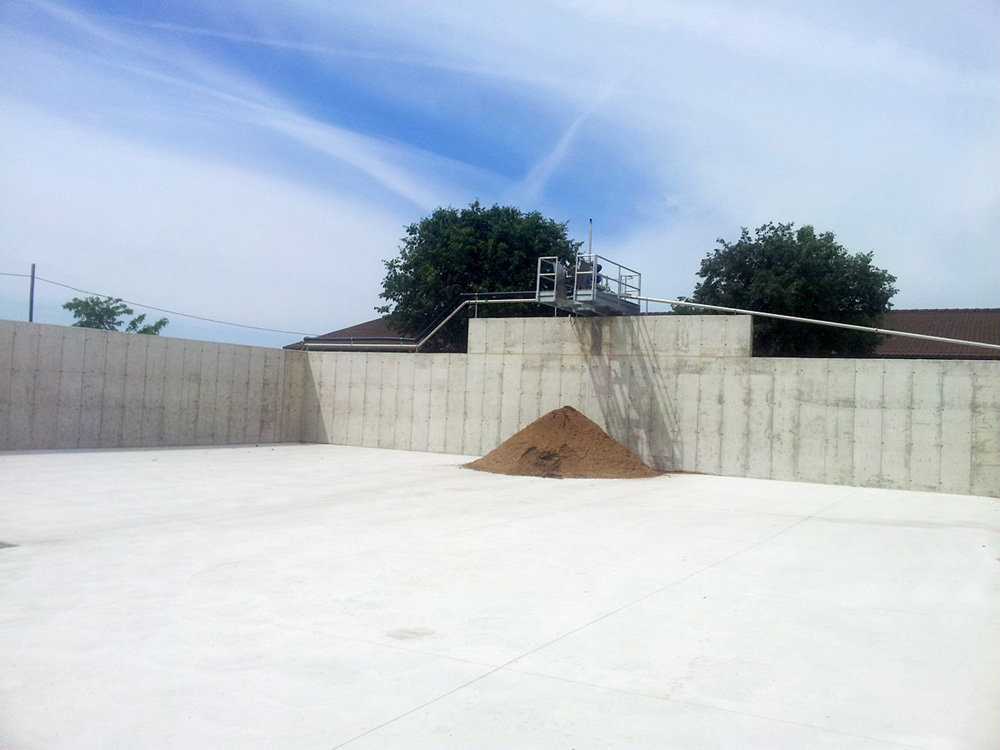
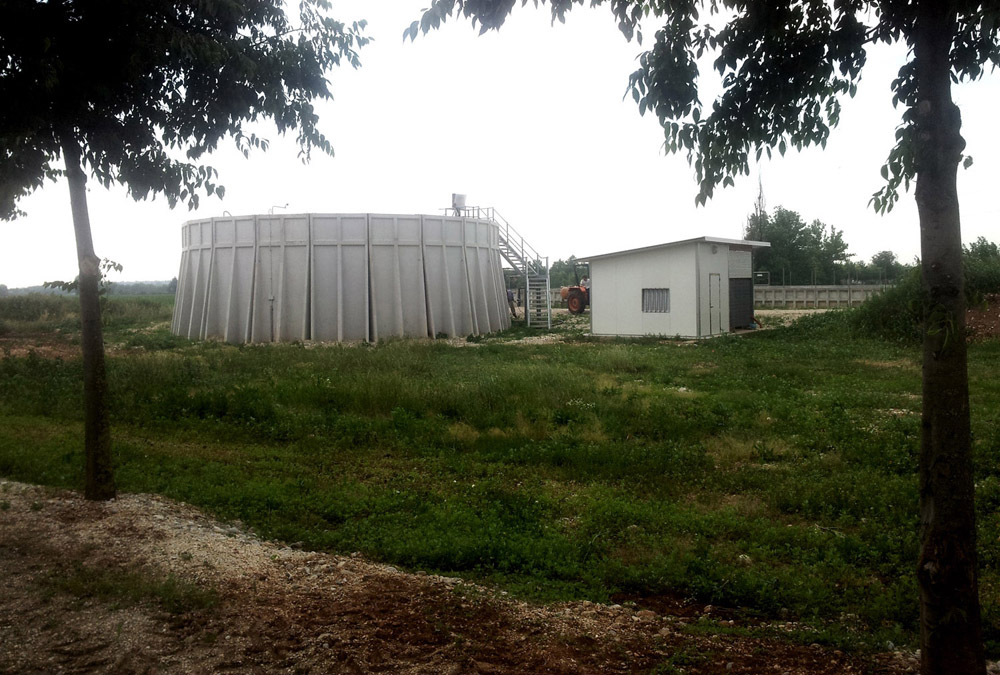
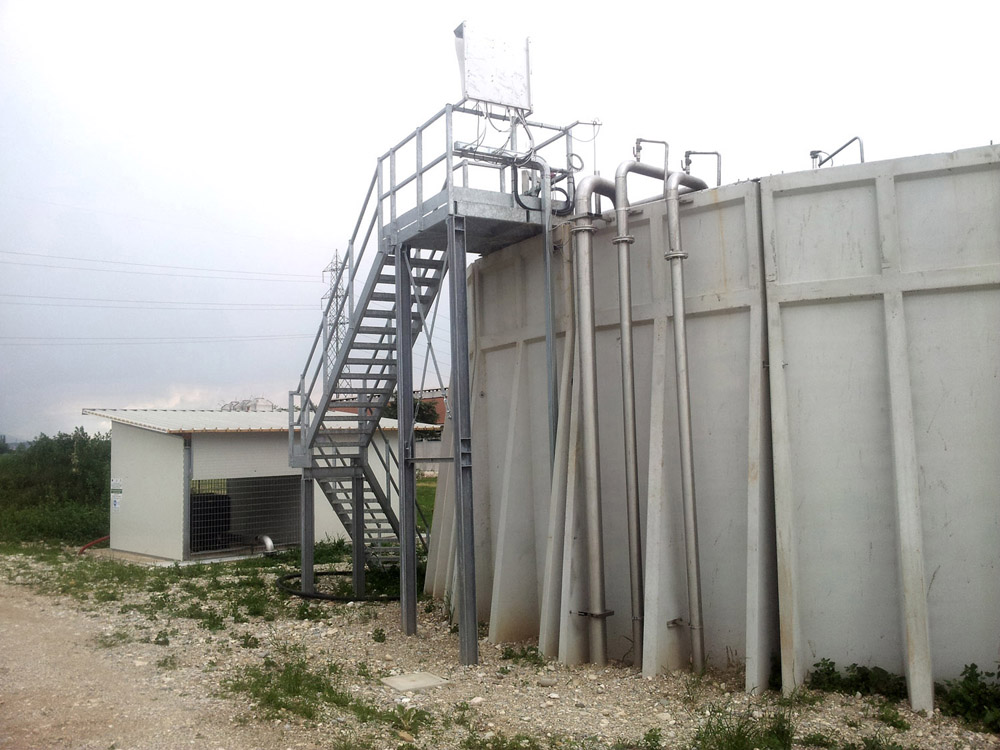
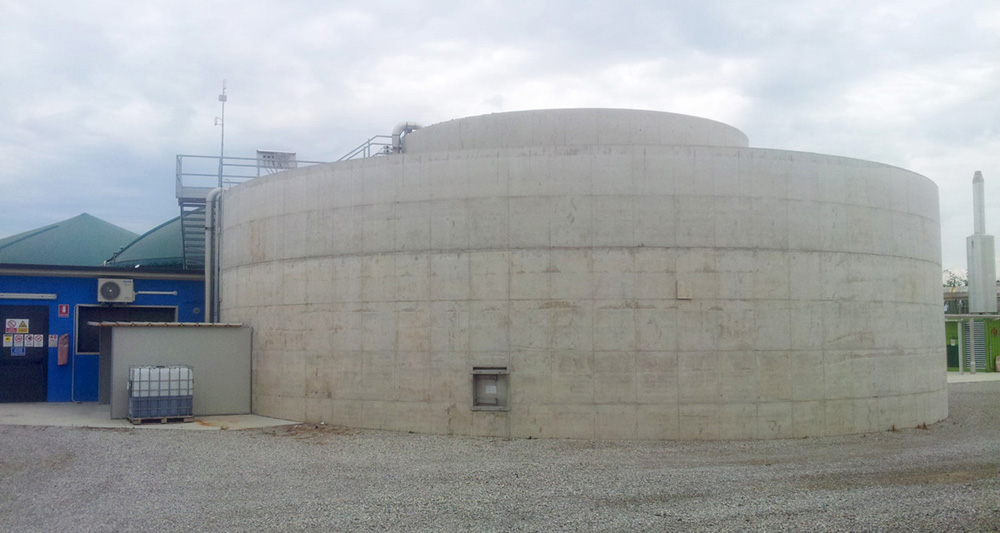
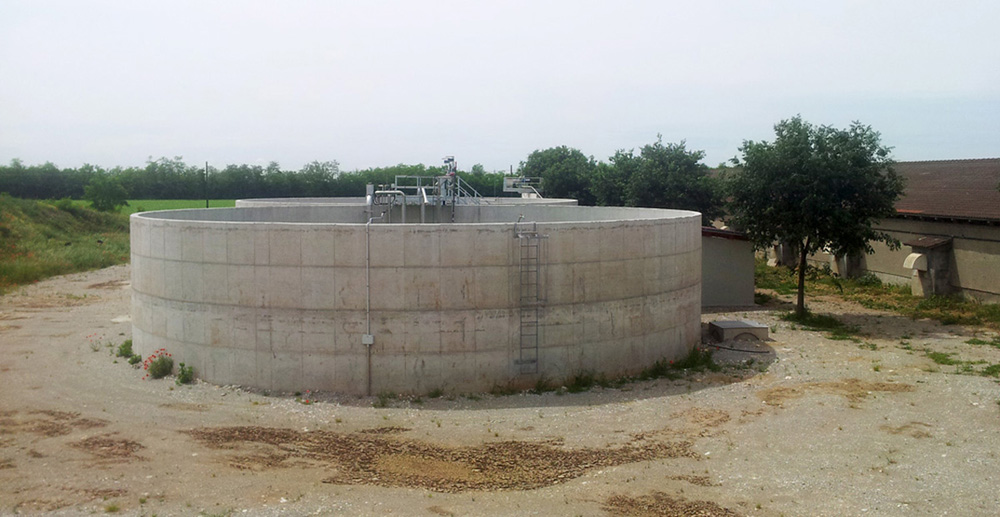
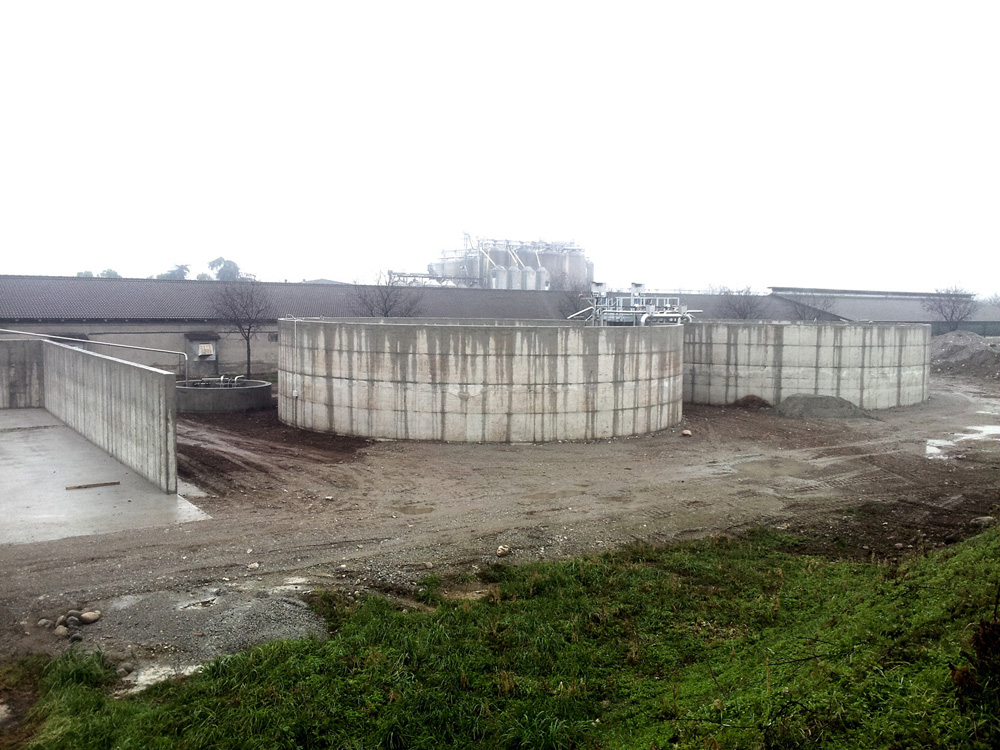
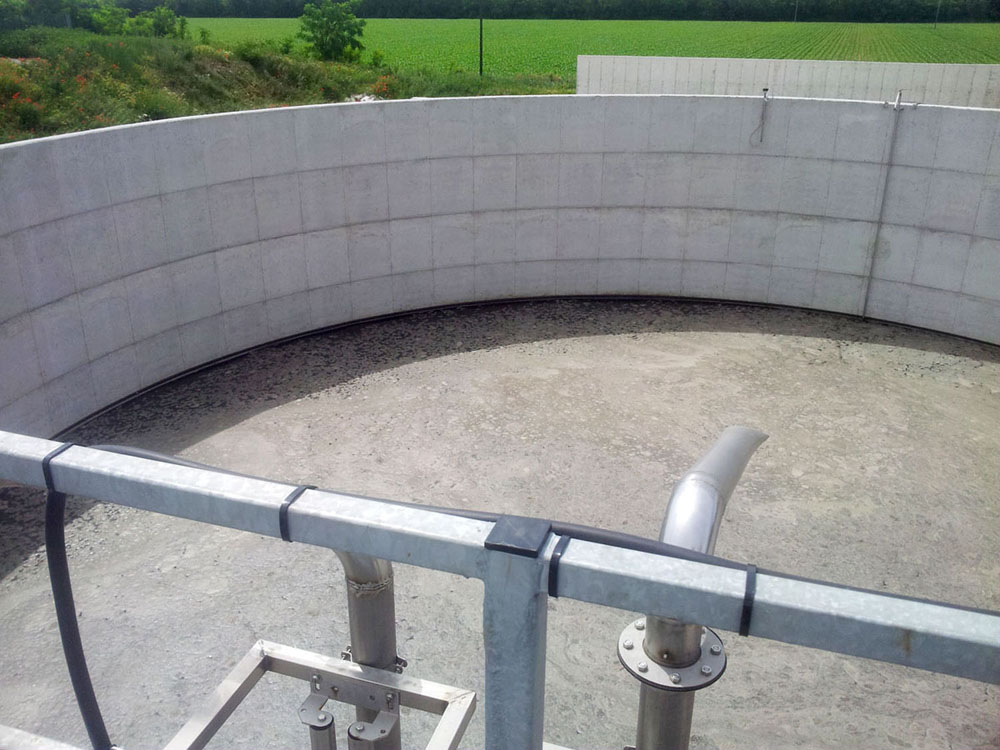
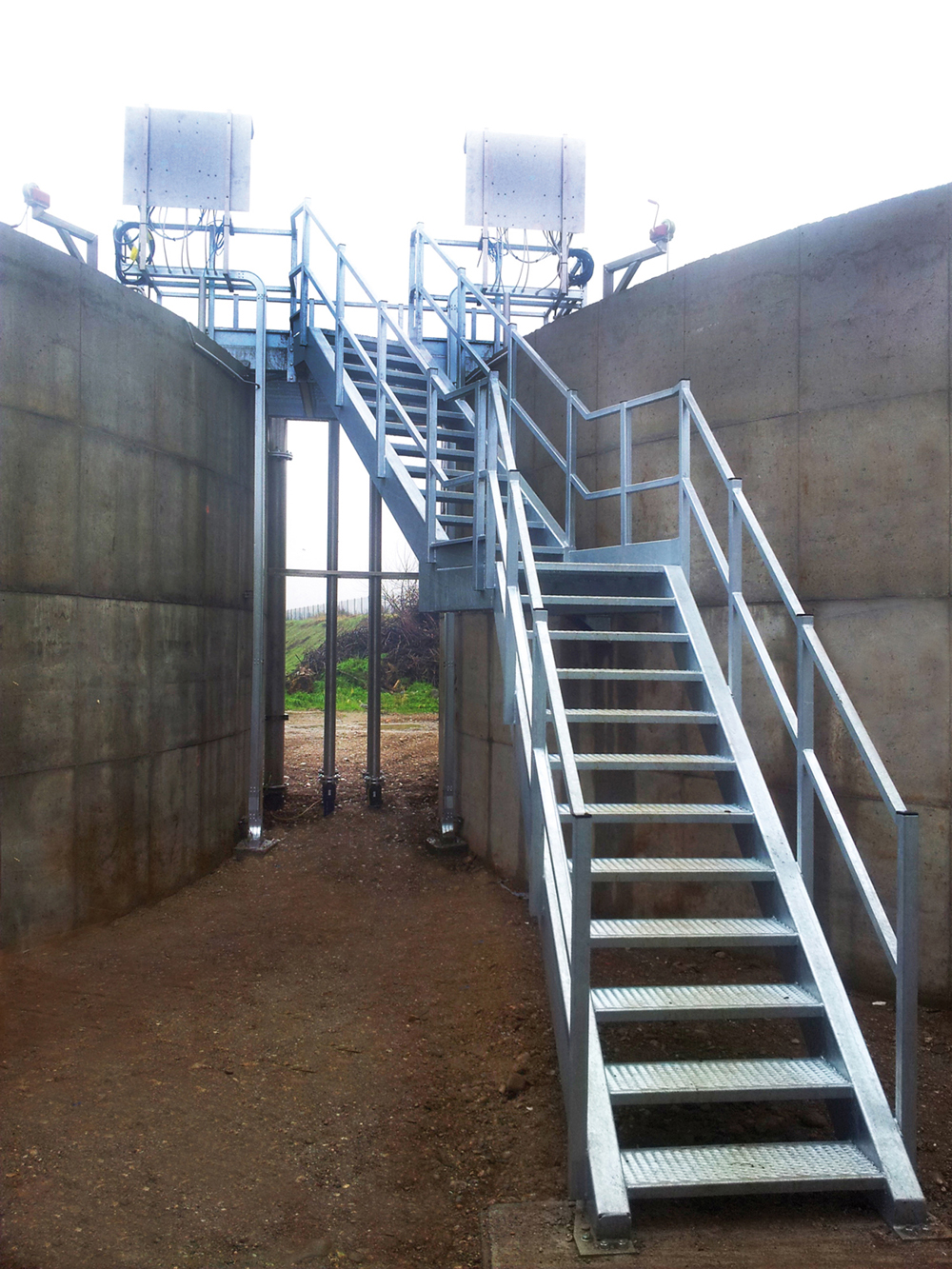
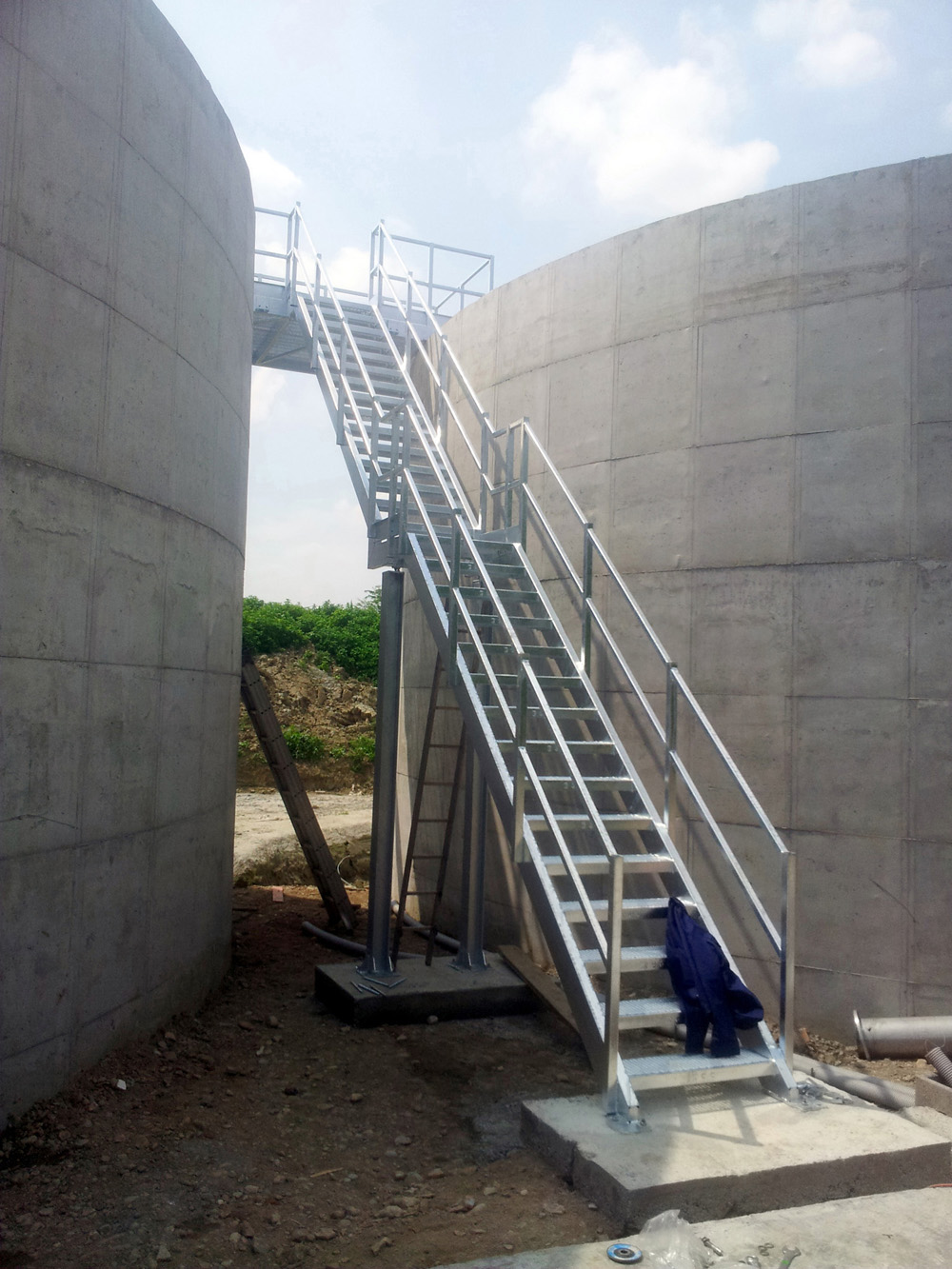
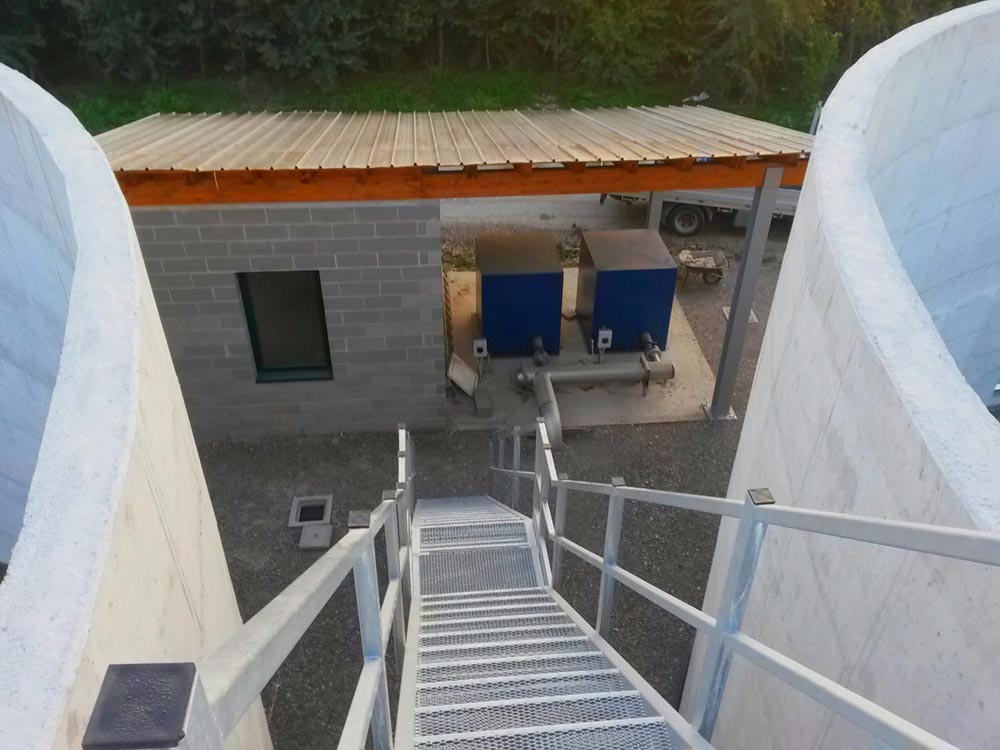
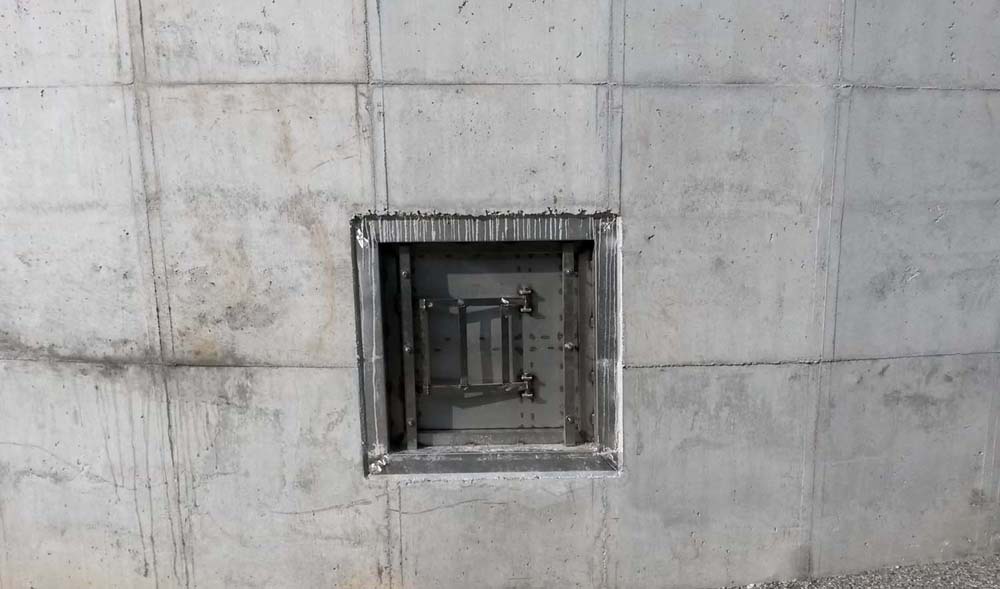
Nitrogen treatment tanks
Vasche per riduzione azoto
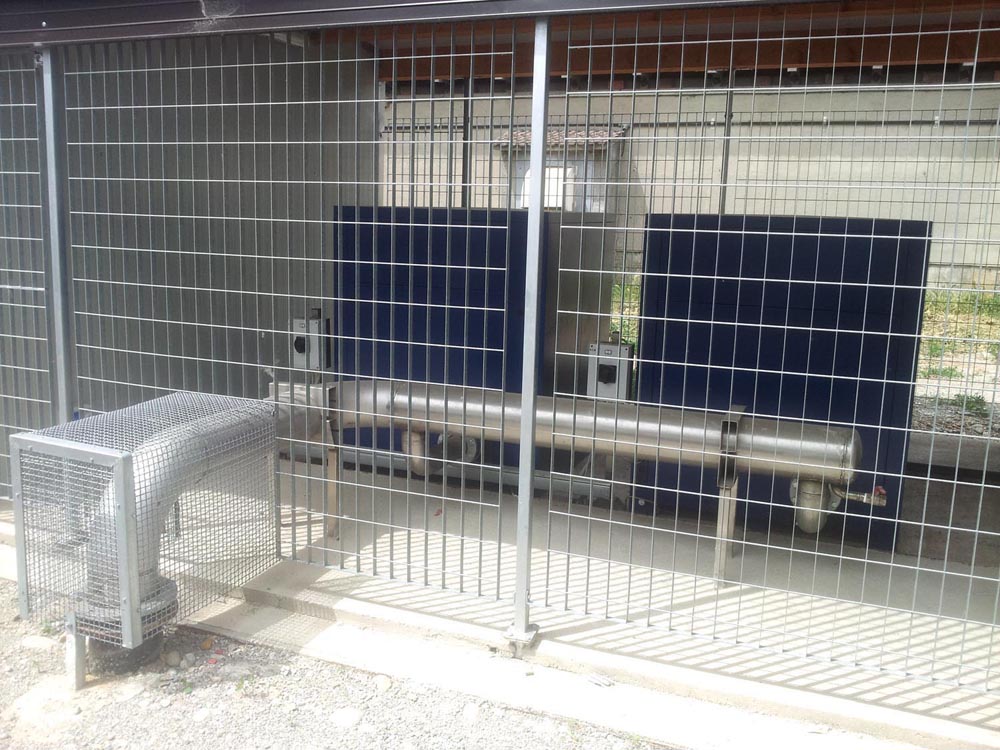
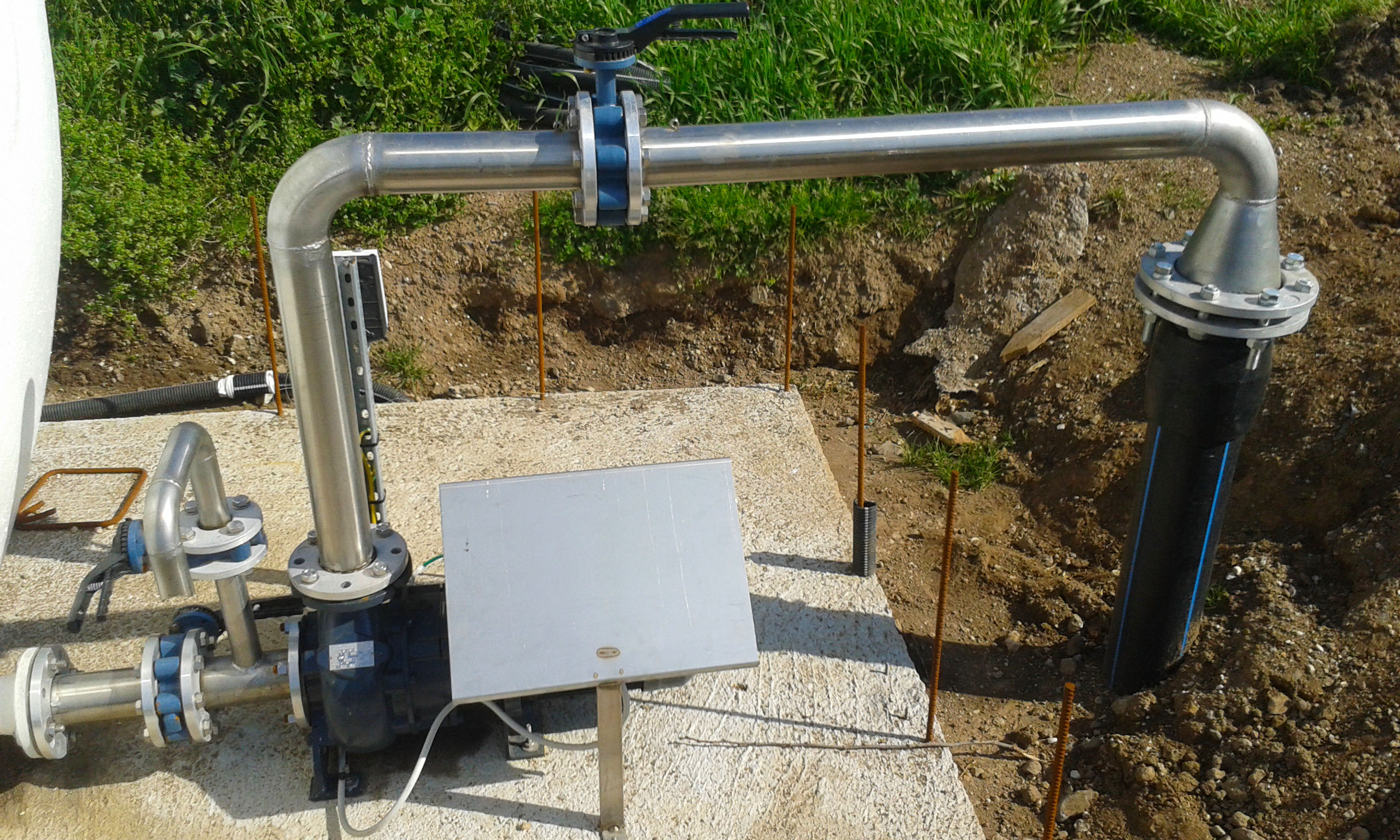
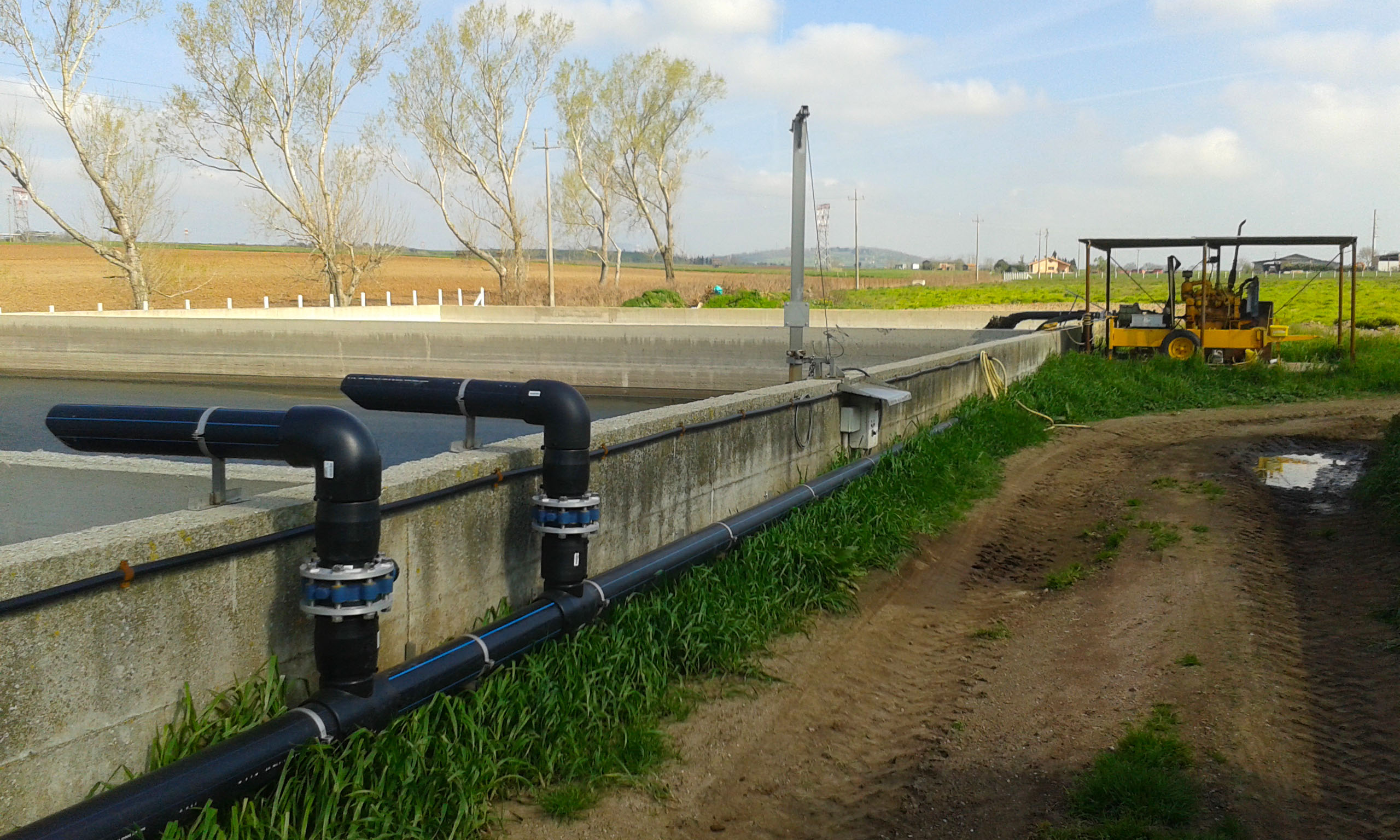
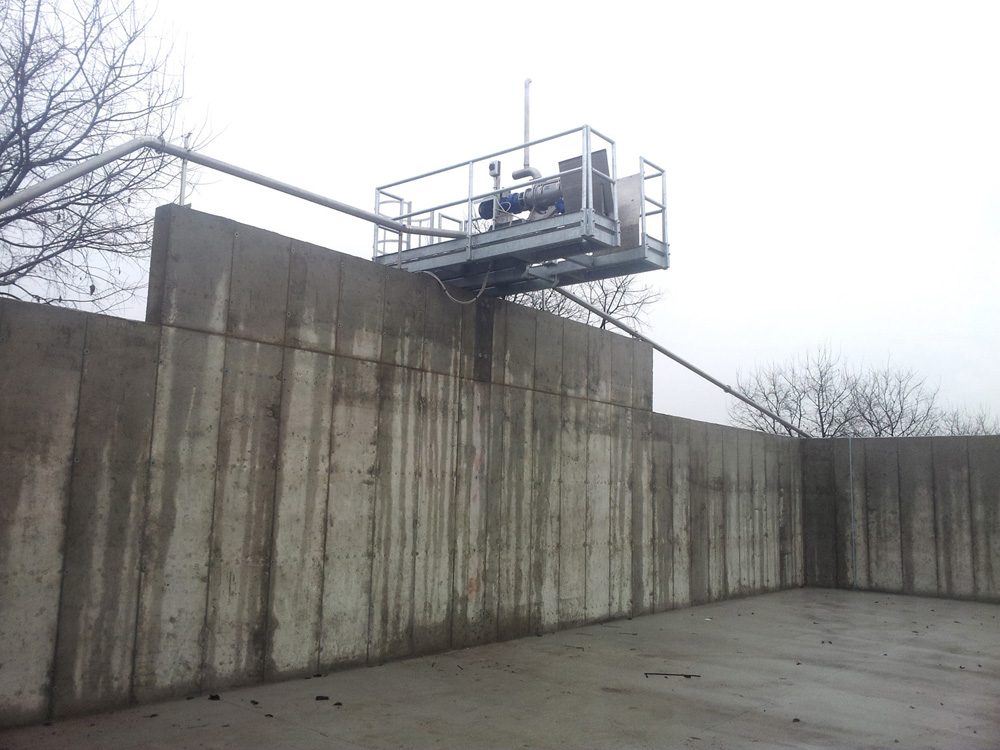
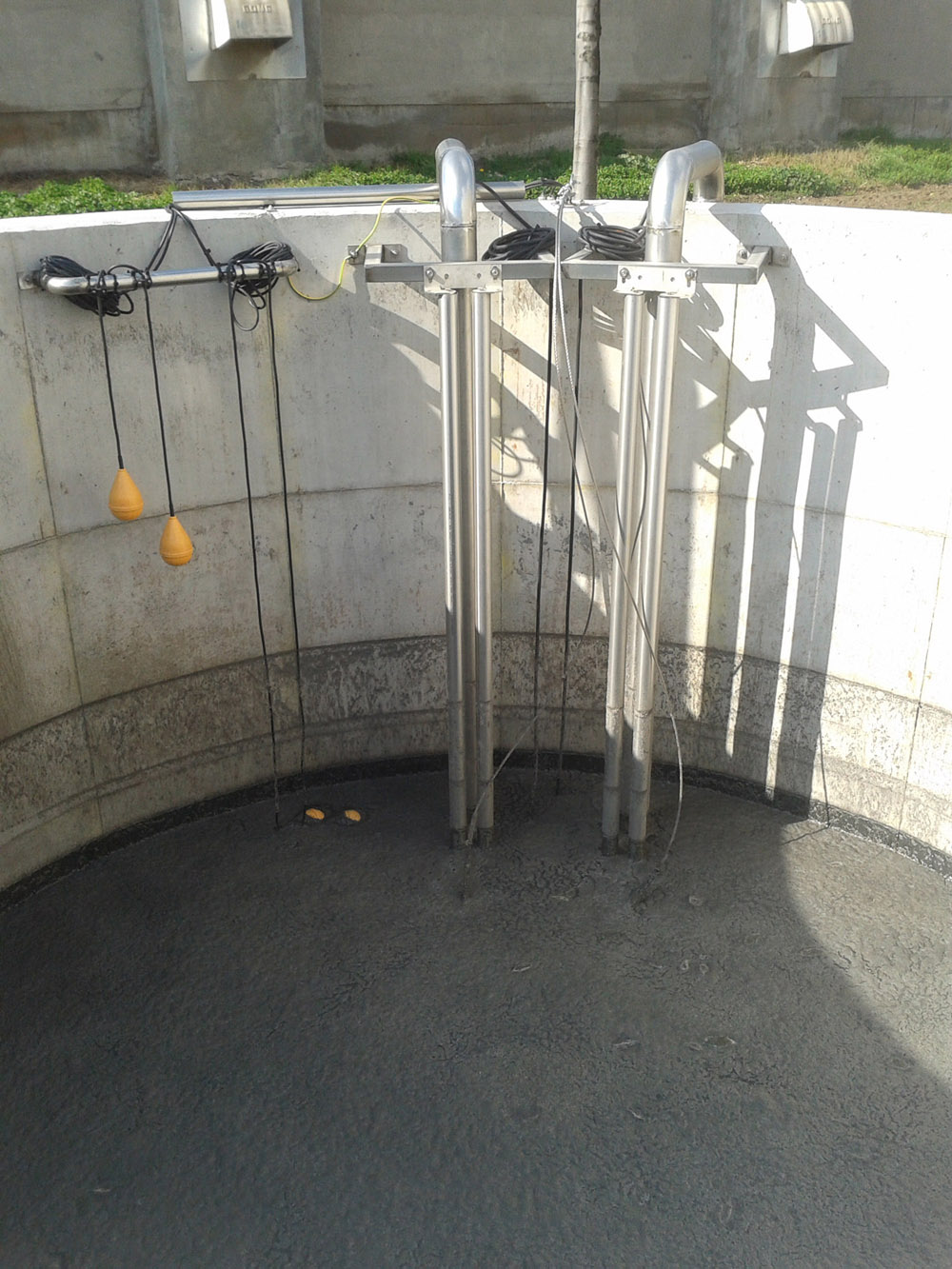
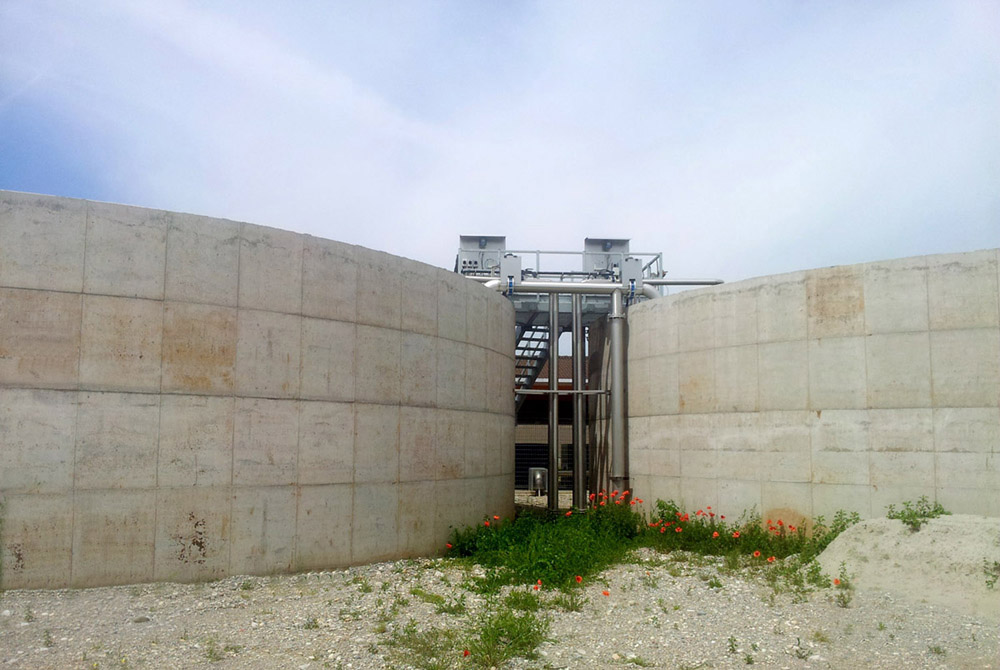
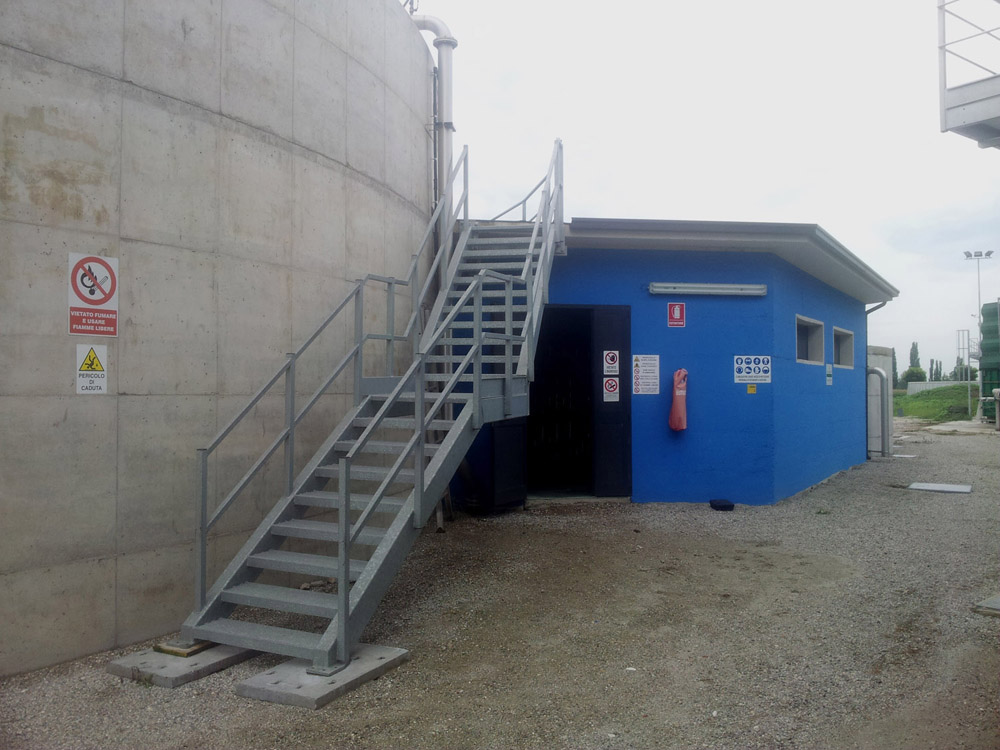
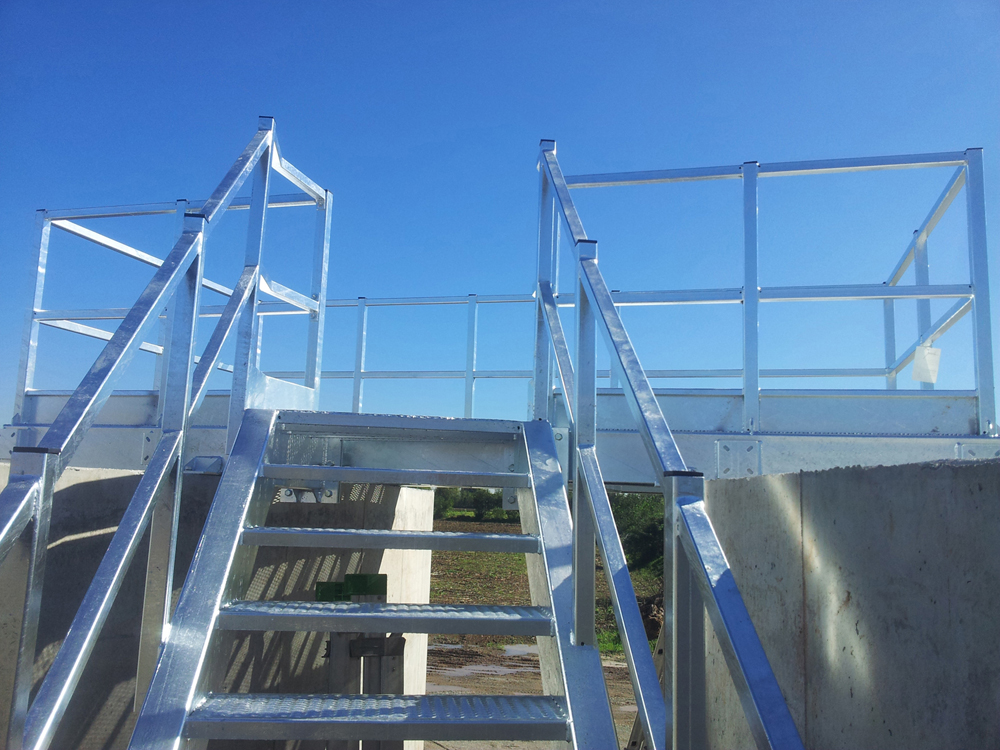
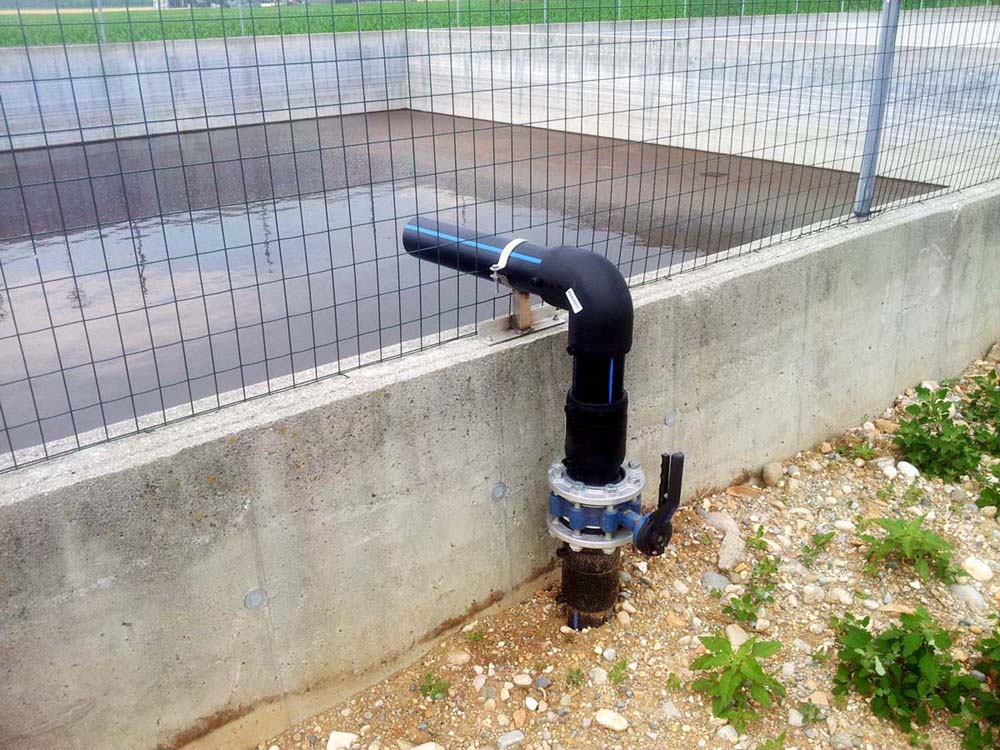
Air intake valves
Valvole entrata aria
Nitro-Denitro Systems Gallery
Interested in this product?
Contact our team for specifications and custom quotes.
Ready to Plan Your Livestock Facility?
Contact our technical team for a consultation, quote, or to discuss your project requirements.